
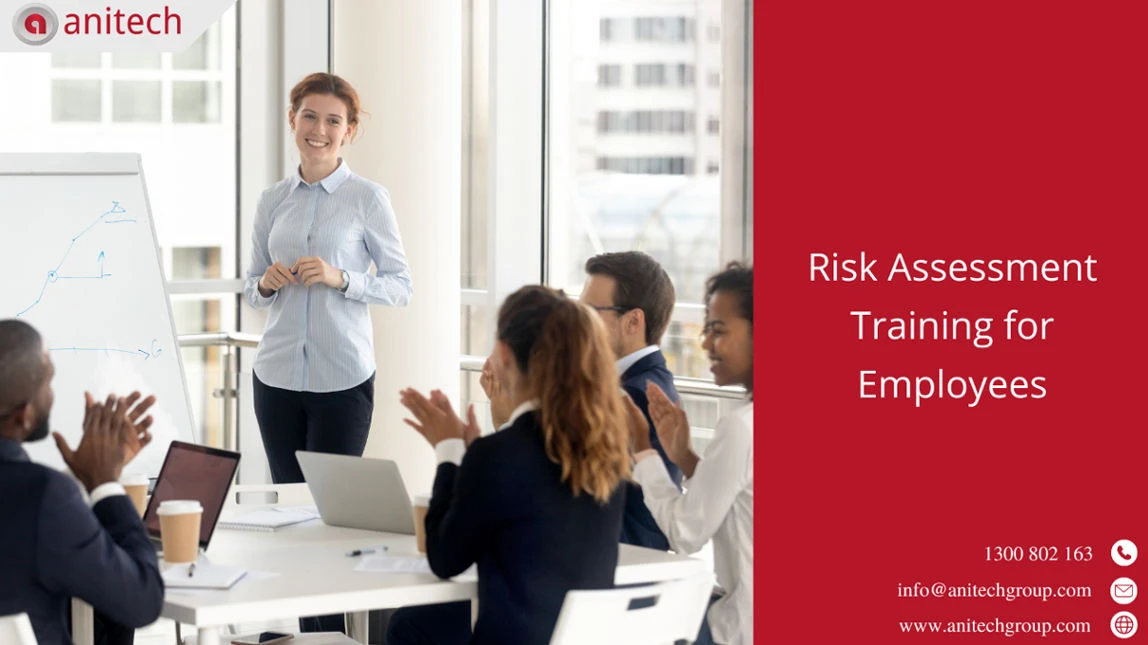
With the rise in complexity of the digital landscape, and the changing regulatory requirements, there is a rise in risks faced by organisations. Hence, to cater to these on a timely basis, businesses require robust risk management strategies, for which it is crucial to train employees in risk assessment.
Risk management is crucial for every business and ensuring that staff are properly trained is essential for maintaining a safe workplace environment.
In this blog, we discuss risk assessment training for employees and its importance in the overall well-being of organisations.
Why is Risk Assessment Important?
Are you aware of the potential risks lurking in your workplace? From near misses to fatalities, the spectrum is broad. Yet, minimizing and managing these risks are pivotal tasks for any organization. At the core of this effort lies professional risk assessment, a process vital for identifying and evaluating workplace hazards.
Without thorough risk assessments, implementing effective risk management strategies becomes arduous, leaving employees vulnerable to harm and heightening the risk of workplace injuries. Training in risk assessment is therefore indispensable, empowering individuals to recognize hazards and implement appropriate risk control measures.
Every business, regardless of size or industry, faces potential risks that can jeopardize people, the environment, financial assets, and reputation. Therefore, all employees must play a role in ensuring workplace safety by being vigilant in spotting hazards, evaluating risks, and implementing control measures.
Risk assessment training is therefore essential to help employees identify workplace hazards and mitigate risks effectively. It also enables individuals to assess the likelihood and severity of injuries resulting from exposure to hazards. This forms the foundation for developing robust safety protocols tailored to specific processes and environments.
Moreover, proper training ensures adherence to relevant guidelines tailored to specific processes, thereby fostering a secure working environment. By undergoing risk assessment training, individuals can adopt industry best practices and contribute to a safer work environment.
Thus, risk assessment training is fundamental for ensuring worker safety and enhancing workplace safety. Comprehensive risk assessments, coupled with diligent implementation of recommendations, are key to mitigating risks effectively. Empowered by training, employees can actively contribute to creating a secure and healthy work environment.
Types of Risk Assessment
Let’s dive into the types of workplace risk assessment:
1) General Risk Assessments
Workplaces not dealing with chemicals or machinery may require basic, general risk assessment processes. These assessments involve auditing areas relevant to occupational health and safety (OHS) to identify potential hazards. Implementing recommendations from such assessments can enhance employee morale and productivity.
2) Large-Scale Risk Assessments
Complex sites, such as those in the mining, oil, gas, pharmaceutical, or defence industries, often require advanced assessment techniques like Quantitative Risk Assessment. Even smaller-scale operations handling hazardous substances or involving manual labour may necessitate specific assessments to ensure safety.
Creating a Safe Working Environment:
Effective risk assessment training is instrumental in fostering a safe working environment and promoting a workplace safety culture. By conducting comprehensive risk assessments and diligently implementing recommendations, organizations can mitigate potential risks, thereby ensuring the health and safety of their employees.
Risk Assessment Training – Key Inclusions of the Program
When designing Risk Assessment Training for Employees, it’s essential to cover fundamental steps to ensure comprehensive understanding and effective risk management. Here are the fundamental steps to include:
1) Introduction to Risk Assessment:
Provide an overview of what risk assessment is and its importance in ensuring workplace health and safety. Emphasize the legal requirements and obligations under Australian WHS/OHS legislation.
2) Understanding Hazards and Risks:
Educate employees on the difference between hazards (potential sources of harm) and risks (the likelihood and consequences of harm). Provide examples relevant to their workplace to facilitate understanding.
3) Identifying Hazards:
Train employees on how to identify various types of hazards present in their work environment. Encourage active participation and observation to recognize potential hazards effectively.
4) Risk Evaluation:
Teach employees how to assess the level of risk associated with identified hazards. Guide evaluating both the likelihood and severity of potential harm, considering factors such as frequency of exposure and potential consequences.
5) Risk Control Measures:
Instruct employees on implementing control measures to mitigate identified risks. Discuss the Hierarchy of Controls, including elimination, substitution, engineering controls, administrative controls, and personal protective equipment (PPE).
6) Consultation and Communication:
Highlight the importance of consulting with colleagues and supervisors during the risk assessment process. Encourage open communication channels to report hazards and contribute to risk management efforts.
7) Documentation and Record-Keeping:
Emphasize the need for thorough documentation of risk assessment activities, including hazard identification, risk evaluation, and control measures implemented. Train employees on record-keeping procedures compliant with Australian regulatory requirements.
8) Monitoring and Review:
Guide employees on the importance of ongoing monitoring and review of implemented control measures. Explain the need for periodic reassessment of risks to ensure continued effectiveness and compliance with WHS/OHS standards.
9) Reporting Procedures:
Provide clear instructions on reporting procedures for incidents, near misses, and new hazards identified during routine work activities. Stress the importance of timely reporting to facilitate prompt action and risk mitigation.
10) Role-specific Training:
Tailor risk assessment training to address job-specific hazards and risks relevant to different roles within the organization. Provide role-based scenarios and case studies to enhance relevance and applicability.
By incorporating these fundamental steps into Risk Assessment Training for Employees in Australia, organisations can empower their workforce to proactively identify, assess, and control workplace hazards, ultimately contributing to a safer and healthier work environment.
Risk Management Training for Managers and Supervisors
This training program is designed to equip managers, supervisors, and workers with the necessary skills to effectively engage in workplace risk management.
Risk Management training equips managers and supervisors with knowledge of WHS principles and techniques for integrating best WHS practices into the workplace. Through our collaboration with numerous organizations, we’ve developed robust Safety Management Systems.
From our experience, we’ve learned that the key to any successful system lies in the individuals responsible for its implementation. Therefore, prioritising effective Risk Management training for frontline managers and supervisors is crucial. This ensures the cultivation of a workplace culture focused on safety awareness, knowledge, and compliance with your Safety Management System.
Who can Enrol in Risk Management Training for Managers and Supervisors?
This course is ideal for individuals in management or supervisory roles, but it’s also beneficial for workers seeking to grasp the same principles and their responsibilities.
What will Participants Learn?
This comprehensive package blends theory with practical sessions. Attendees will gain insights into the expanding regulatory duties of “officers” under the “harmonised” WHS Act 2011. Additionally, they’ll develop proficiency in identifying risks, conducting assessments, and implementing hazard controls.
Upon finishing the training, participants will be able to:
- Understand WHS/OHS legal obligations and definitions.
- Apply risk management principles within a workplace safety management system.
- Conduct risk management activities, including inspections and assessments.
- Implement control measures for identified risks using the Hierarchy of Controls.
- Recognise the importance of hazard monitoring and review.
- Our trainers are seasoned and accredited consultants with extensive experience across various industry sectors.
While the training incorporates relevant organisational policies and procedures, additional customization is available upon request for a tailored experience. Our experienced facilitators will collaborate with you to align the training with your organizational needs, workplace environment, and participant requirements.
Why Choose Anitech for Risk Assessment Training?
Anitech’s risk assessment training programs are designed to equip managers, supervisors, and workers with the necessary skills to engage in workplace risk management effectively.
Anitech’s experienced team of consultants can help in training employees on risk management, tailored to an organisation’s requirements.
Our training solutions aim to educate workers on their role in risk management and how they can actively contribute to creating a safer workplace.
Through our comprehensive courses, participants will gain insights into WHS principles, risk identification techniques, and hazard control strategies, enabling them to contribute to a safer work environment.
This concise course is suitable as standalone training or as supplementary material for in-person risk management or WHS training. It’s relevant across various industries and has a national focus, providing training applicable to all staff working in Australia.
Learning Outcomes:
Our training covers fundamental information relevant to all employees.
In our Risk Assessment training, employees will learn:
- Techniques for identifying hazards and evaluating their risk levels.
- The importance of managing work health and safety (WHS) risks within the workplace.
- Risk assessment methods.
- Strategies for implementing risk controls to prevent potential issues.
- The significance of consulting with workers and how it enhances overall risk management strategies.
For risk assessment training, organisations can contact our team at 1300 802 163 or e-mail – sales@anitechgroup.com.


Recent Comments