1300802163
 
HomeCategory

Blog

Safety Management Systems Are Now Mandatory Under the Updated HVNL: What Transport and Logistics Businesses Must Build Before August

The Heavy Vehicle National Law just had its biggest shake-up in over a decade, and it landed on 1 August 2026. If you run a transport or logistics business in NSW, Victoria, Queensland, South Australia, Tasmania, or the ACT, the rules you’ve been operating under have changed, and a documented Safety Management System is no...

July 2026 Legislative Update: Key Changes Across NSW and Federal

This July update summarises the legislation and regulations flagged in our register across New South Wales, Victoria, Queensland and the Commonwealth. The July register includes updates across work health and safety, environmental protection, biodiversity conservation, building and construction regulation, worker screening, dangerous goods, energy retail, transport and fatigue management, healthcare administration, industrial relations, and corporate...

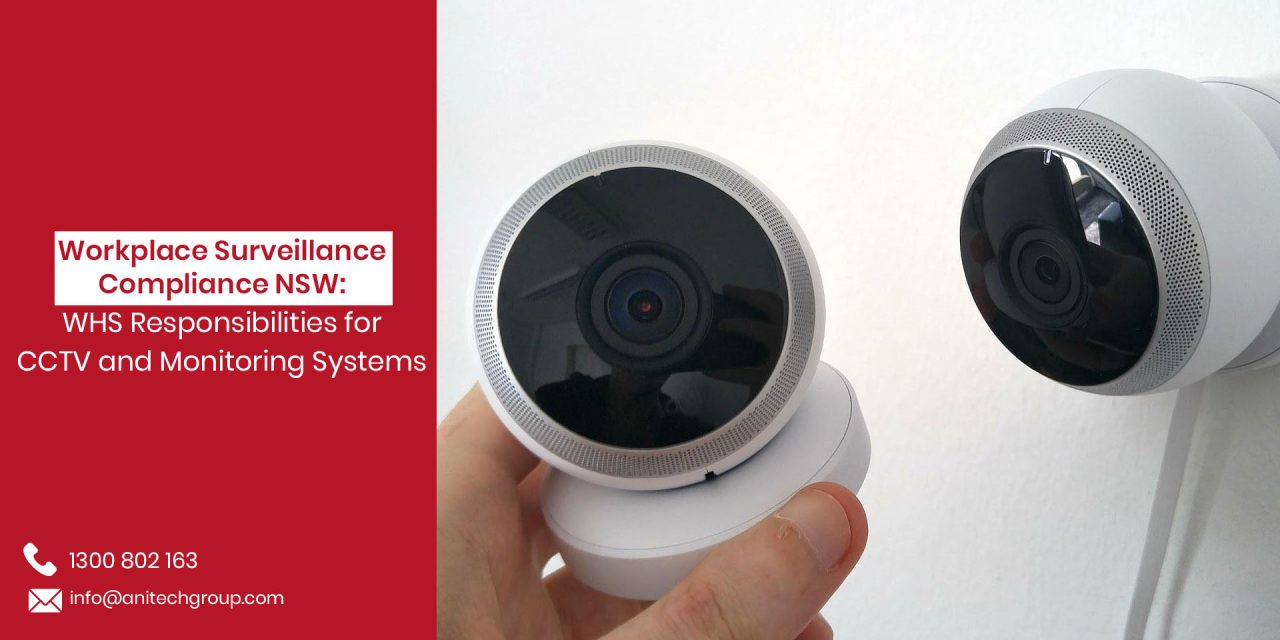
Workplace Surveillance Compliance NSW: WHS Responsibilities for CCTV and Monitoring Systems

Businesses in NSW use CCTV, access control, and electronic monitoring systems. These tools help manage safety and security. But they also create legal obligations under workplace surveillance laws. The Workplace Surveillance Act 2005 (NSW) sets the rules. This blog outlines your WHS responsibilities and how to balance monitoring with employee rights. For workplace surveillance, the...

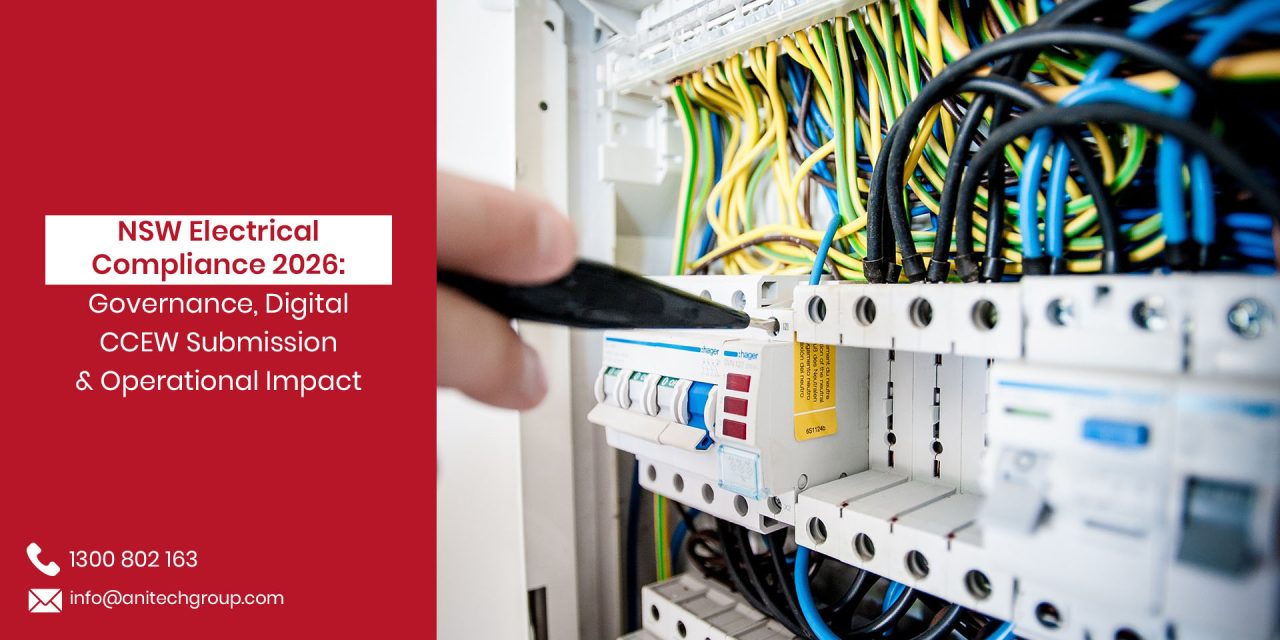
NSW Electrical Compliance 2026: Governance, Digital CCEW Submission & Operational Impact

From 1 July 2026, all Certificates of Compliance for Electrical Work in New South Wales must be submitted through the Building Commission NSW eCert. This change affects how facility and operations leaders govern records and demonstrate assurance. The following outlines what the transition means for your role. Preparing for the Transition to Digital Compliance NSW...

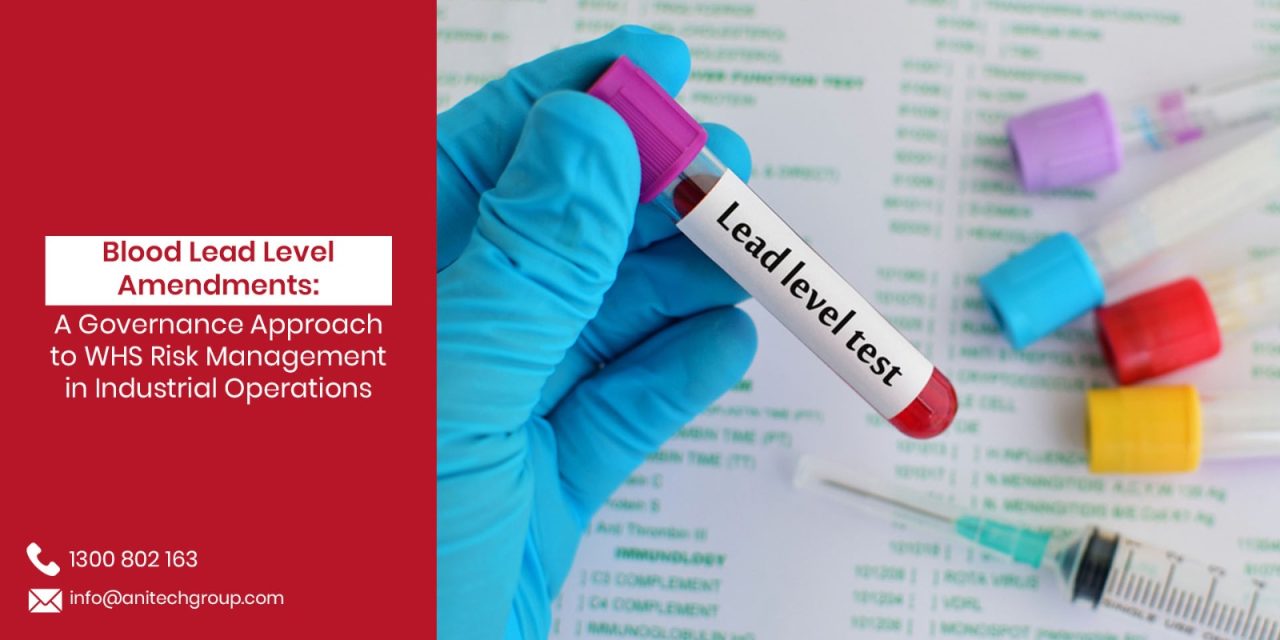
Blood Lead Level Amendments: A Governance Approach to WHS Risk Management in Industrial Operations

The recent amendments to Blood Lead Level (BLL) requirements are affecting industrial operations across multiple sectors. In many operational discussions, the issue is quickly delegated downstream as a technical matter. It becomes a question for occupational hygienists about exposure controls or for medical providers about testing frequency.   If you are an Operations Director, General...

Psychosocial Hazard Codes: What Organisations Must Do to Maintain ISO 45001 Compliance

The persistent misallocation of psychosocial hazard management to human resources functions has created a structural vulnerability in many organisations. For years, these risks were addressed through well-being committees, employee assistance programs, and resilience training and framed as a “people issue” distinct from core business operations.   That framing is no longer viable. The Model Code...

NSW Fire Safety Reforms 2026: AS 1851-2012 Compliance and ISO 45001 Governance Guide

From 13 February 2026, all class 1b and class 2 to class 9 buildings in New South Wales must have essential fire safety measures inspected and tested in accordance with AS 1851-2012. This means fire safety in NSW transforms into a definitive legal accountability for building owners.   This change represents a significant shift in...

Victoria’s Psychological Health Regulations: A Step-by-Step Compliance Roadmap for ISO 45001-Certified Workplaces Starting December 1, 2025

For years, workplace safety in Victoria has centred almost entirely on physical risks, but that focus has now shifted decisively. With the release of Worksafe Victoria’s new Compliance Code for Psychological Health starting December 1, 2025, the mandate for employers is unequivocal: psychological health regulations in Victoria now require the same rigour and systematic management...