1300802163
 
HomeCategory

Blog

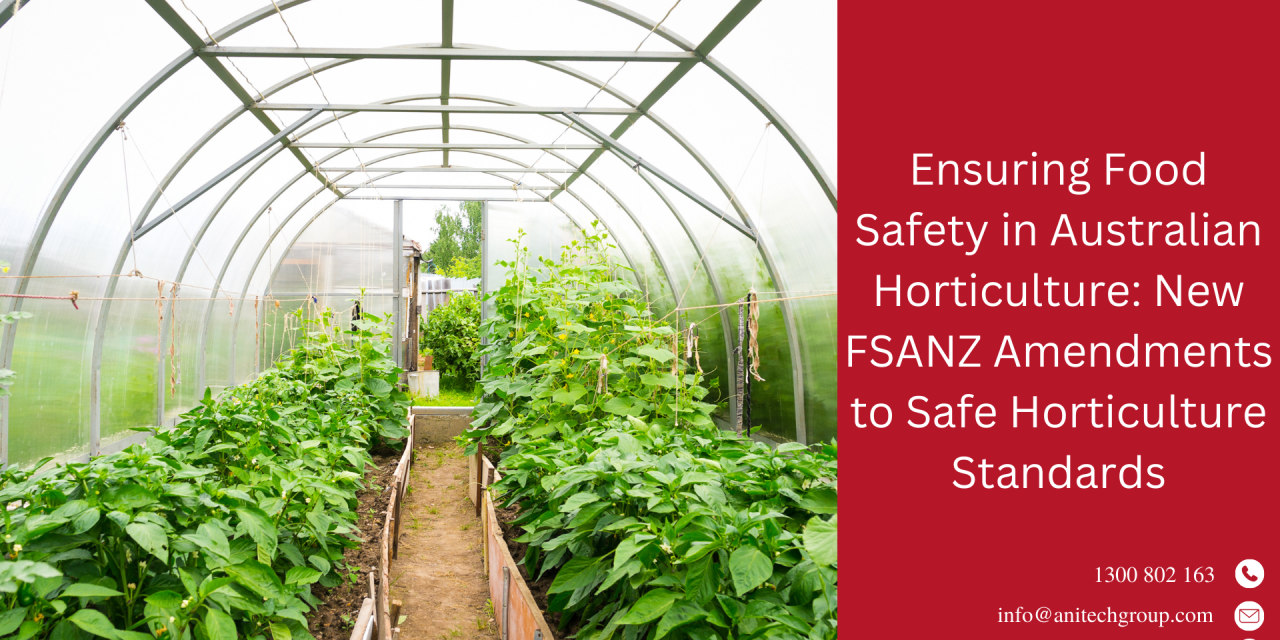
Ensuring Food Safety in Australian Horticulture: New FSANZ Amendments to Safe Horticulture Standards

Australian horticulture has invariably been integrally a part of food production within the country, focused upon a wide range of fresh fruits and vegetables, that are of high quality. With increased awareness among consumers concerning food safety, producers and suppliers have to make sure their production process meets the rigorous standard that will provide them...
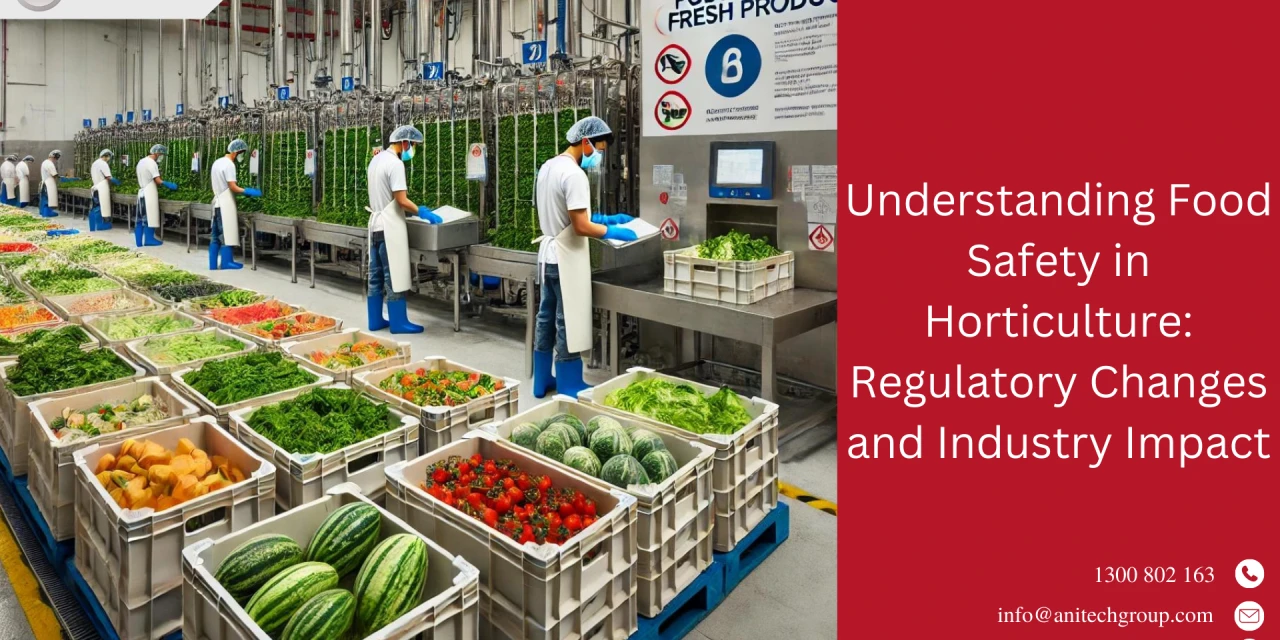
Understanding Food Safety in Horticulture: Regulatory Changes and Industry Impact

The horticulture industry makes very significant contributions to fresh production of fruits and vegetables around the world. Due to the increased consumer requirements for safe, quality produce, regulatory bodies like Food Standards Australia New Zealand (FSANZ) are taking a keen interest in the improvement of standards that constitute food safety. The latest word is that...

What’s New in the Updated FIAL Food Safety Governance Guide?

How prepared is your business to manage food safety risks? In Australia, food safety is not just a legal obligation but a critical factor in protecting consumers and maintaining the reputation of food producers. Each year, foodborne illnesses affect around 4.1 million Australians, leading to over 31,000 hospitalisations and costing the economy approximately AUD 2.44...

Smart Packaging Trends: What’s Next for Food Packaging Technology?

Have you ever wondered how technology might transform the way we interact with our food? Today, where innovation reshapes nearly every aspect of our lives, food packaging is no exception. Smart packaging, a cutting-edge sector in food technology, is revolutionizing how we preserve, protect, and experience our food. In Australia, the smart packaging market is...

A Closer Look at SMETA 7.0: Updated Requirements and Best Practices

Have you ever wondered how well your supply chain aligns with the highest ethical standards? As global supply chains become increasingly complex, businesses face mounting pressure to adhere to rigorous labor laws, safety regulations, and environmental guidelines. In response to these challenges, Sedex Members Ethical Trade Audit (SMETA) has introduced its latest update, SMETA 7.0,...

Revolutionising HACCP: Recognising Labelling as a CCP 

Hazard Analysis Critical Control Point (HACCP) is a systematic approach to food safety that addresses physical, chemical, and biological hazards as a means of prevention rather than finished product inspection. Traditionally, HACCP has focused on critical control points (CCPs) related to food processing and handling. However, recent discussions in the food safety community, including insights...

What is involved in the HACCP Development and Certification process? 

Hazard Analysis Critical Control Point (HACCP) certification plays a pivotal role in ensuring food safety across the supply chain in Australia. This internationally recognised standard is designed to prevent microbiological, chemical, and physical contamination, safeguarding consumers from potential health risks associated with foodborne illnesses. Understanding HACCP Certification HACCP is a systematic approach to identifying, evaluating,...

Mobile Apps for On-the-Go Learning: A Game-Changer in Food Safety Training 

In today’s fast-paced world, staying compliant with food safety regulations is paramount for businesses across Australia. From small cafes to large-scale food manufacturers, ensuring staff are trained and up-to-date with the latest standards is crucial for maintaining the integrity of the food supply chain. Here comes into the picture the mobile apps for on-the-go learning,...

Importance of Sustainable Labelling and How to Ensure Compliance with Changing Regulations 

In recent years, sustainable labelling has emerged as a crucial aspect of the food industry, reflecting consumers’ growing interest in environmentally friendly and ethically sourced products. Australia, like many other countries, has implemented stringent regulations to ensure transparency and accuracy in food labelling. In this blog, we delve into the significance of sustainable labelling and...

Supply Chain Compliance Across Food and Steps to Achieve it

In today’s diverse industries, maintaining supply chain compliance is crucial, but the approach can vary depending on the sector. For instance, food manufacturers prioritise safety protocols, while military equipment producers focus on security clearances. Despite the differences, every business dealing with physical goods must understand and adhere to regulations governing their products’ origins and journeys...