
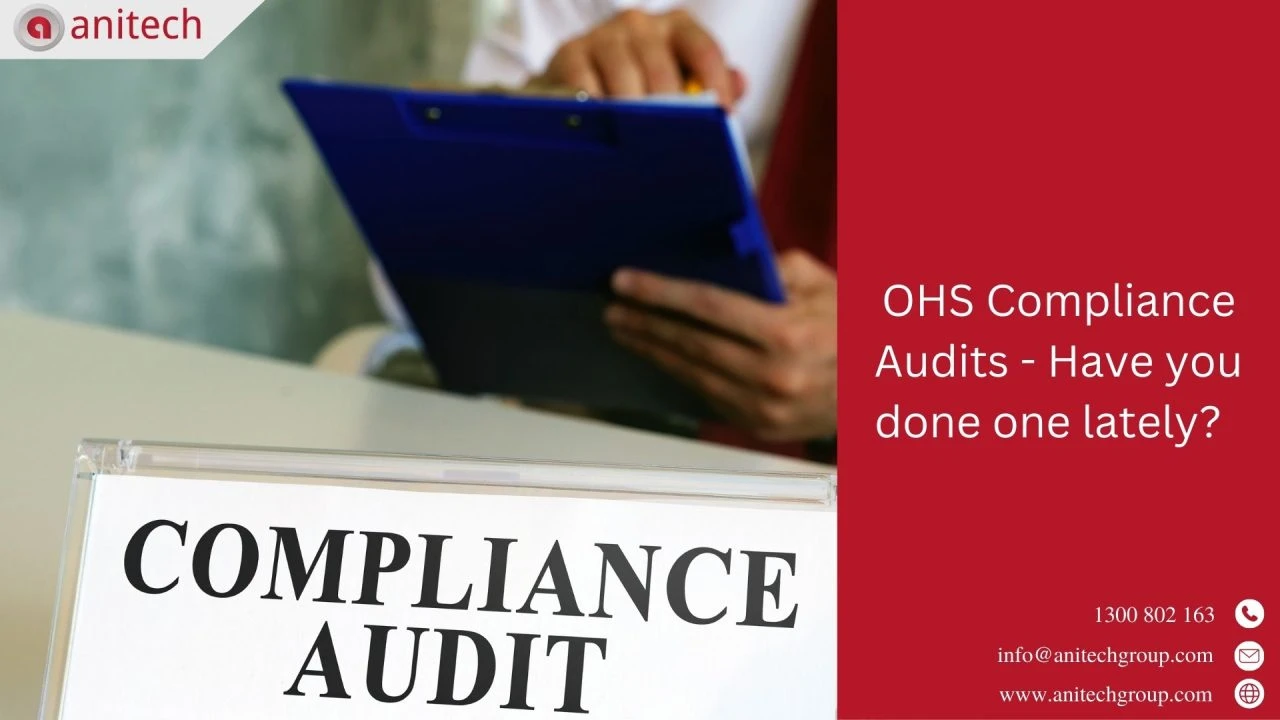
Conducting an OHS (Occupational Health and Safety) Compliance Review involves a systematic examination of an organisation’s health and safety policies, procedures, and practices and check whether they align with any prescriptive requirements of OHS laws and regulations of the respective states that the business operates in.
When business operates in a number of states, the process becomes more complex as businesses need to comply with the various legislation in each state.
Often, beyond legislation, there could be standards, compliance codes and local council requirements that needs to be considered. This is to ensure that operational controls such as licenses, permits, and records are in place and ensure that the business meets regulatory requirements and industry standards.
The Hidden Cost of Complacency
Beyond the immediate tragedy of an accident, there’s a ripple effect:
- Financial Fallout: Lost productivity, workers’ compensation claims, legal fees, and reputational damage can cripple a business, especially an SME.
- Employee Morale: A workplace incident can shatter trust and create a climate of fear, leading to decreased productivity and high staff turnover.
- Regulatory Scrutiny: Non-compliance with Work Health and Safety (WHS) laws can result in hefty fines and even criminal charges.
Thus, contrary to the mere ticking boxes or fulfilling requirements, occupational health and safety compliance audit aims to create a culture of safety that permeates every aspect of your business.
Now, let’s delve into the often-overlooked facets of OHS compliance audits, offering insights that can help you elevate your approach to workplace safety.
Why OHS Compliance Audits Are Essential for Australian Businesses
OHS compliance audits serve as a crucial tool for identifying gaps in safety practices and ensuring that businesses comply with the stringent regulations set by authorities like Safe Work Australia. But beyond compliance, these audits offer an opportunity to reassess and refine your safety strategies.
Benefits of Regular OHS Compliance Audits:
The key benefits of OHS compliance audits are as follows:
Risk Mitigation:
Regular audits help identify potential hazards before they result in incidents, thereby protecting employees and reducing the risk of costly legal liabilities.
Operational Efficiency:
By streamlining safety processes, audits can lead to more efficient operations, reducing downtime caused by accidents or unsafe practices.
Reputation Management:
A strong safety record enhances your business’s reputation, making it more attractive to clients, partners, and top talent.
Challenges Businesses Face During OHS Compliance Audits
While the benefits of OHS compliance audits are clear, businesses often encounter challenges that can hinder their effectiveness. Understanding these challenges is the first step in overcoming them.
The common challenges include:
Complexity of Regulations:
Australian OHS regulations can be complex and constantly evolving. Staying up-to-date requires continuous effort and resources.
Resource Constraints:
SMEs often struggle with limited resources, making it difficult to dedicate time and personnel to comprehensive audits.
Employee Buy-In:
Ensuring that all employees understand and adhere to safety protocols can be challenging, particularly in larger organisations with diverse workforces.
Here’s a step-by-step guide to conducting an OHS Compliance Compliance Review:
a) Planning the Compliance Review
- Define the Scope: Determine the areas, departments, or processes to be Compliance Reviewed. This could be a full-site Compliance Review or focused on specific operations.
- Assemble the Compliance Review Team: Select Auditors with the necessary expertise in OHS regulations and the specific industry.
- Compliance Review Documentation: Gather and Compliance Review existing OHS documentation, such as policies, procedures, training records, previous Compliance Review reports, and incident logs.
- Compliance Review Regulatory Requirements: Gather applicable legislation that your business needs to comply with, including Compliance Review of risk and legal registers that your business has built.
b) Pre-Compliance Review Meeting
- Communicate with Management: Brief management about the Compliance Review’s purpose, scope, and schedule. Ensure all relevant personnel are informed.
- Set Objectives: Agree on the specific objectives and outcomes expected from the Compliance Review and discuss the reporting requirements.
c) On-Site Inspection
- Physical Inspection: Walk through the workplace to observe working conditions, equipment, and processes. Look for potential hazards and non-compliance issues in relation to the applicable equipment, machinery or processes. Often areas to take a deeper look are areas related to welding, field operations, plant/machine operation, maintenance processes, the use of electricity in operation and traffic management.
- Check Safety Procedures: Observe if employees are following safety procedures and wearing appropriate personal protective equipment (PPE).
- Evaluate Emergency Preparedness: Compliance Review the availability and condition of emergency equipment, evacuation plans, and first-aid facilities.
d) Interviews
- Talk to Employees: Interview workers to gauge their understanding of safety procedures, their participation in safety training, and their involvement in safety programs.
- Engage Supervisors and Managers: Discuss their roles in maintaining a safe workplace and their adherence to OHS policies.
e) Documentation Compliance Review
- Assess Record-Keeping: Ensure that all safety records, including incident reports, training records, and equipment maintenance logs, are accurate and up-to-date.
- Compliance Check: Compare the organisation’s practices against relevant OHS regulations and standards. Identify any gaps or areas where the company is falling short.
f) Risk Assessment
- Identify Hazards: List all potential hazards identified during the Compliance Review.
- Evaluate Risks: Assess the likelihood and impact of each hazard.
- Control Measures: Compliance Review existing control measures against legislated controls and recommend additional controls if necessary.
g) Compliance Review Report
- Summarise Findings: Provide a detailed report of the Compliance Review findings, including any non-compliance issues, potential risks, and areas for improvement.
- Recommendations: Write down recommendations for addressing non-compliance and enhancing safety measures. Consider “reasonably practicable” in the context of the business operations.
- Action Plan: Develop an action plan with timelines and responsibilities for implementing corrective actions.
h) Post-Compliance Review Meeting
- Present the Report: Meet with management to discuss the Compliance Review findings and recommendations. Often these can be good input into the board reports or management reports of the organisation.
- Agree on Corrective Actions: Ensure there is agreement on the corrective actions to be taken and the timeline for their completion.
i) Follow-Up of Corrective Actions
- Monitor Progress: At Anitech we are often part of the regular checking process and regularly check on the implementation of corrective actions with the operations team.
- Re-Compliance Review if Necessary: Consider scheduling a follow-up Compliance Review to ensure all issues have been resolved.
j) Continuous Improvement
- Update Policies: Revise OHS policies and procedures based on Compliance Review findings.
- Training: Implement any additional training required to address gaps identified during the Compliance Review.
This process helps ensure that the workplace is compliant with OHS regulations and that continuous improvements are made to maintain a safe working environment.
If you have any questions or feedback on the compliance review process, I would love to hear from you.


Recent Comments