
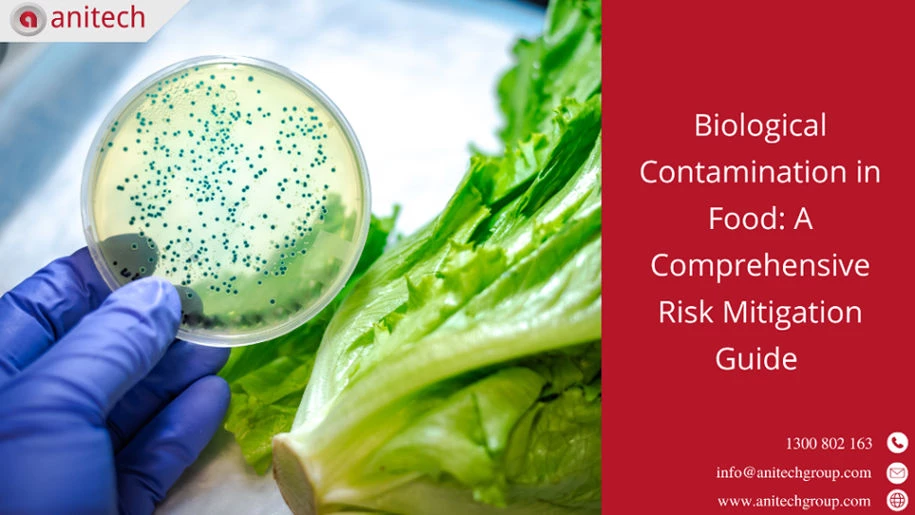
With the number of food recalls seeing a massive rise, it is crucial for food businesses to ensure the product is free of contamination. However, owing to the demand, massive production, processing units, procedures, food handling, storage and other procedures involved, food can get infected by various types of contaminations, one such being the biological contamination.
Biological contamination can severely mar consumers health, demanding for effective testing, and preventive measures. Food businesses should employ strict hygiene practices and robust measures outlining food standards and regulatory requirements.
This blog outlines the definition, types and health hazards caused by biological contamination while sharing guidance on the right testing methods, and preventive measures for food organisations to practice.
Biological Contamination
Biological food contamination refers to food that’s contaminated by substances produced by living creatures – such as humans, rodents, pests, or microorganisms. This includes bacterial contamination, viral contamination or parasite contamination that’s transferred through saliva, pest droppings, blood, or faecal matter. Bacterial contamination is thought to be the most common cause of food poisoning worldwide, and the best way to protect against it occurring is by maintaining the best food safety practices.
Biological Contamination: Types and Sources
a) Bacteria
1) Salmonella:
Salmonella is one of the most prevalent kinds of bacterial contamination in food, found in raw chicken, poultry products like eggs, and unpasteurised milk.
2) Listeria:
Listeria infection can occur in ready-to-eat foods such as deli meats and soft cheese. It is specifically dangerous for pregnant women, babies, and those with weaker immune systems.
3) E. coli:
This bacterium is linked to raw fruits and vegetables, raw ground beef, and unpasteurised milk. Certain E. coli strains can cause serious disease.
b) Viruses
Viruses can potentially infect food and cause food poisoning. Norovirus and Hepatitis A are two common instances. These viruses are often spread by contaminated water or food handling.
c) Parasites
Cryptosporidium and Toxoplasma parasites can infect raw or undercooked meat, fish and other seafood, and fruits and vegetables. To avoid their transmission, proper cooking and handling practices are required.
d) Fungi
Food contamination caused by fungi can cause deterioration and the development of poisons. Mould is a widespread kind of fungus that may infect a variety of foods, particularly those with a high water content.
Health Risks and Foodborne Diseases
1) Food Poisoning

Food poisoning is a common health hazard caused by biological contamination in food. It happens when people eat food that has been contaminated with hazardous bacteria, viruses, parasites, or poisons. These pollutants can enter the food at any time during the manufacturing, processing, handling, and storage processes.
2) Gastroenteritis
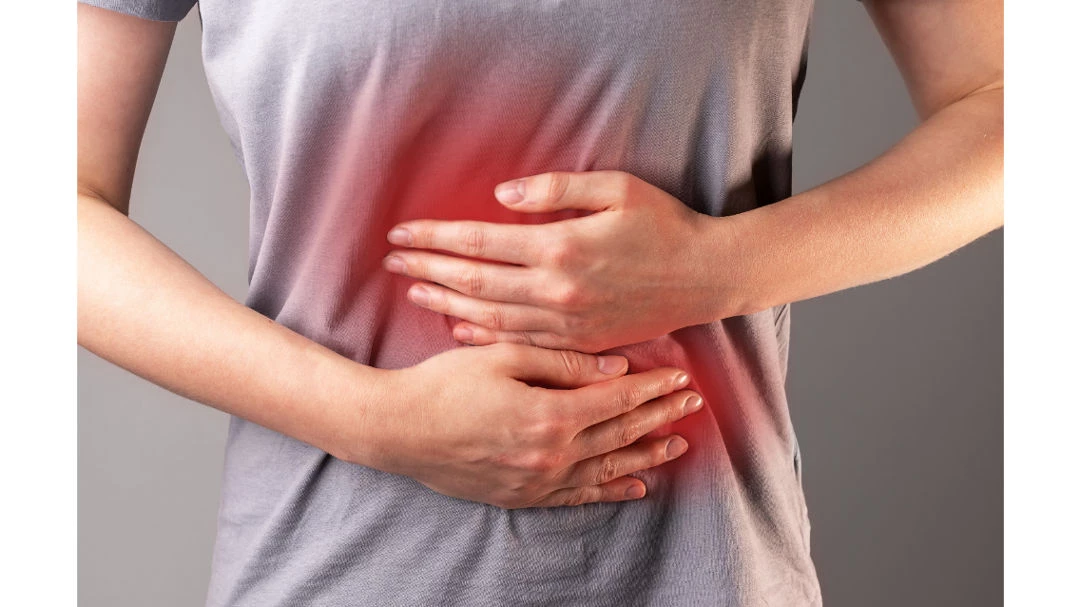
Another foodborne sickness caused by biological contamination in food is gastroenteritis. It refers to stomach and intestinal irritation, which is mainly induced by swallowing contaminated food or drink. Diarrhoea, nausea, vomiting, stomach discomfort, and dehydration are all symptoms of gastroenteritis.
3) Other Foodborne Illnesses Associated with Biological Contamination
Apart from food poisoning and gastroenteritis, biological contamination has been associated with a number of additional foodborne disorders. These include salmonellosis, listeriosis, campylobacteriosis, E. coli infections, and norovirus infections. Each of these illnesses is caused by a different bacteria and has unique symptoms and severity.
Symptoms, Duration, and Severity of Diseases Caused
The symptoms, duration, and severity of foodborne infections might differ depending on the kind of contaminant and the individual’s general health. The most common symptoms are diarrhoea, vomiting, stomach pains, fever, and headaches. In extreme circumstances, these disorders can lead to hospitalisation, organ failure, or even death. It is critical to get medical assistance if you feel you have a foodborne disease.
Detecting and Testing Methods for Biological Contamination
To ensure the safety of our food supply, it is crucial to have effective methods for detecting and testing biological contamination. These methods play a vital role in identifying potential risks and protecting consumers from foodborne illnesses.
Importance of Detection and Testing

Detection and testing procedures are critical in determining the presence of dangerous biological contaminants in food. Food consultants can identify if food goods are contaminated and estimate the degree of the contamination by analysing samples. This knowledge aids in making educated decisions about food safety and illness prevention.
Traditional and Advanced Techniques for Microbial Testing:
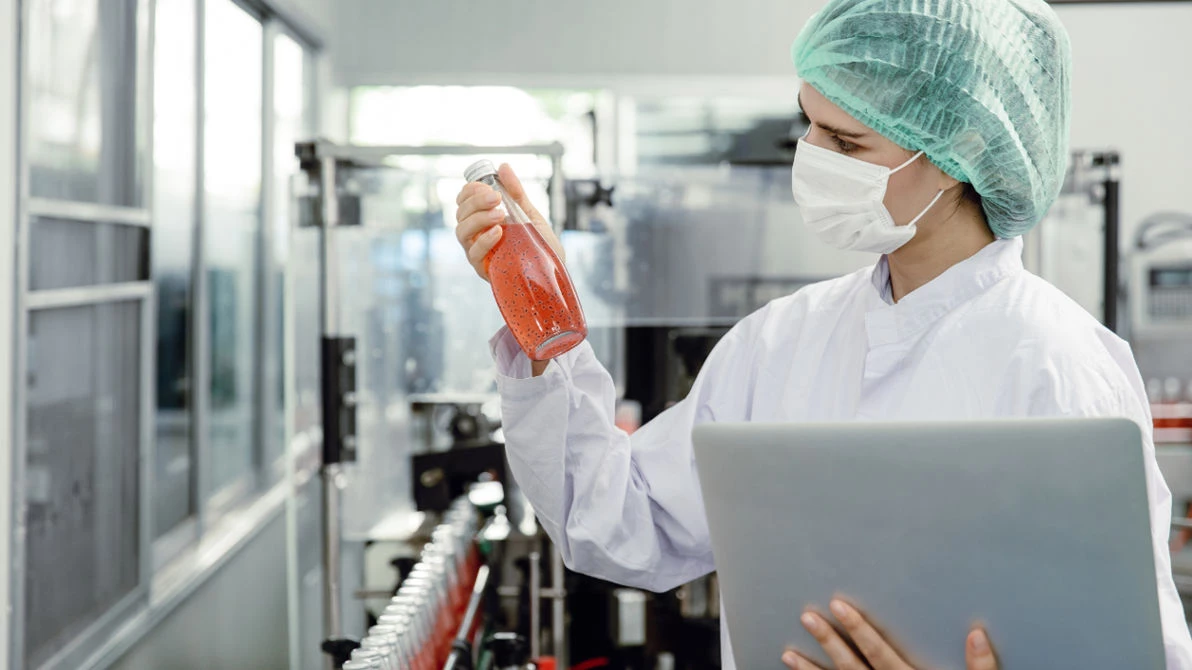
The various traditional and advanced techniques for Microbial Testing include:
1) Culturing methods:
Culturing procedures comprise the cultivation of microorganisms in a controlled laboratory setting. This approach allows certain organisms to be identified by examining their growth features. Culturing techniques, on the other hand, can be time-consuming and are not ideal for detecting all forms of biological pollutants.
2) Polymerase Chain Reaction (PCR) and DNA analysis:
Amplification and identification of DNA sequences from microbes present in food samples is possible using PCR and DNA analysis methods. This innovative approach is very sensitive and produces quick findings, making it a valuable instrument for detecting biological contamination.
3) Rapid Diagnostic Methods:
Rapid diagnostic methods use immunological or molecular approaches to determine the presence of certain pathogenic bacteria in a timely manner. These procedures provide quick findings and are especially beneficial when prompt action is required to prevent the spread of contamination.
4) Role of Laboratories and Food Testing Organisations
Laboratories and food testing companies play a major role in identifying and testing for biological contamination. These specialised institutions have the required equipment and experience to effectively analyse food samples. Their participation guarantees that food items follow safety standards and regulations before they are delivered to customers.
5) Implementation challenges and technological advancements
Implementing efficient detection and testing procedures can be difficult owing to a variety of issues, including the complexity of food matrices and the diversity of possible contaminants. However, technological improvements continue to enhance these procedures, allowing for faster and more precise detection. New technologies, like as next-generation sequencing and biosensors, show promise for improving the efficiency of biological contamination testing.
Food Recalls Due to Biological Contamination

Biological contamination can arise from a variety of circumstances, resulting in food recalls. Some of the most prevalent reasons for biological contamination recalls are:
- Potential presence of harmful bacteria such as Salmonella or E. coli.
- Contamination by parasites or viruses.
- The presence of allergens is not declared on the product label.
These factors can cause severe health hazards, demanding an early recall to avoid the contaminated food from being consumed further.
Biological Contamination Prevention Measures
Biological contamination of food can pose major health consequences. It is therefore important to adopt preventative steps to guarantee food safety and safeguard customers from foodborne diseases.
a) Importance of Prevention in Ensuring Food Safety
Prevention is the key to maintaining food safety and preventing biological contamination. Food businesses may reduce the danger of contamination and protect consumers’ health by taking proactive actions.
b) Hygiene Practices to Reduce Risk of Contamination
1) Proper Handwashing
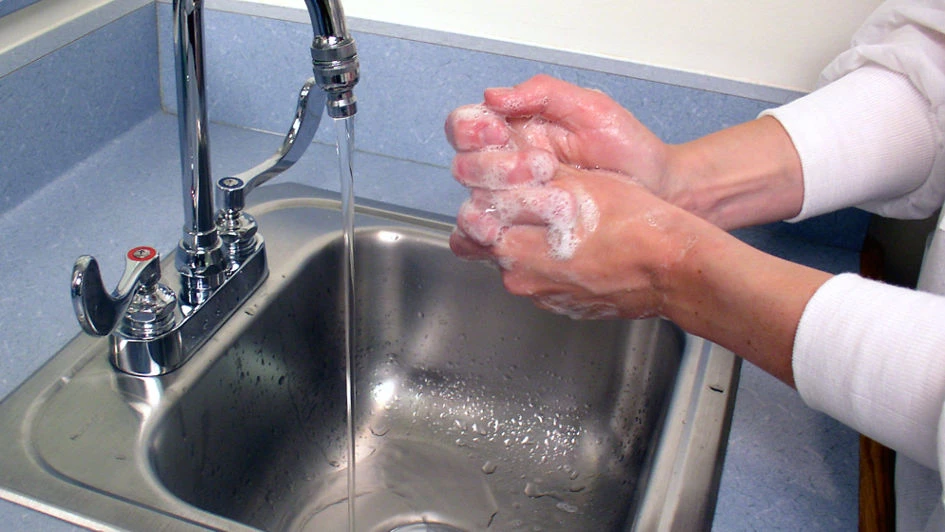
Handwashing is one of the most basic practices for reducing contamination risks. 2. Personal Protective Equipment (PPE)
Food handlers should thoroughly wash their hands with soap and water before handling food, after using the toilet, and after any other activity that might contaminate their hands.
2) Personal Protective Equipment (PPE)
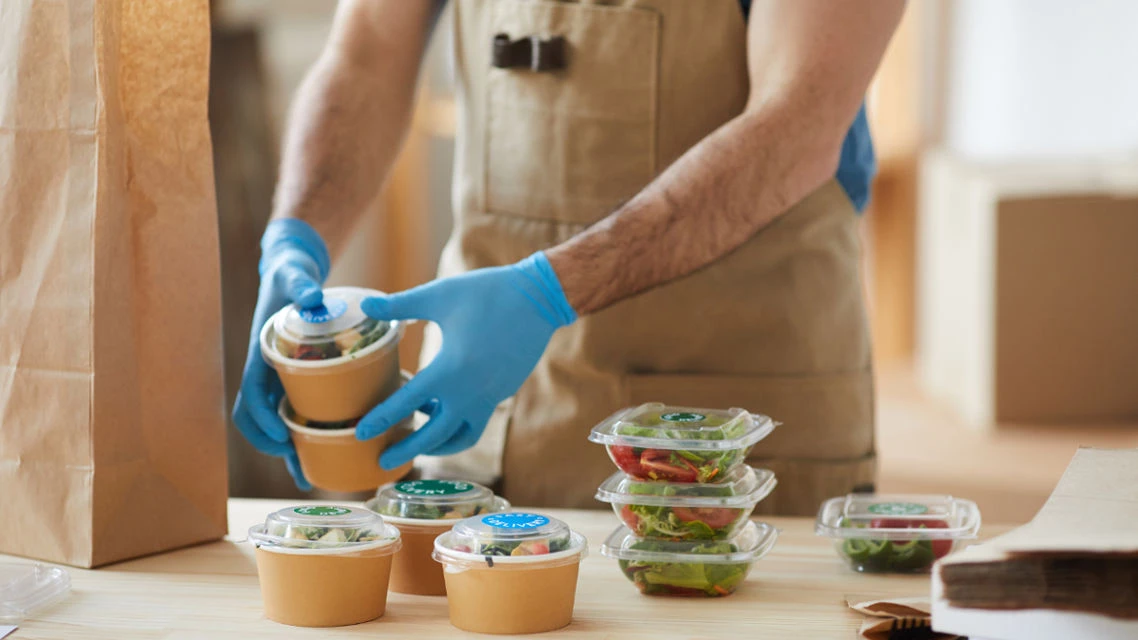
Wearing suitable PPE, like as gloves, hairnets, and aprons, can aid in the prevention of hazardous bacteria being transferred from handlers to food. It is critical to teach and educate food workers on the correct use and disposal of personal protective equipment (PPE).
3) Sanitisation of Surfaces and Equipment

It is critical to clean and sanitise all surfaces, utensils, and equipment used in food preparation to avoid the growth and spread of hazardous microorganisms. The use of appropriate sanitisers and the use of adequate cleaning methods can considerably minimise the danger of biological contamination.
c) Temperature Control
1) Importance of Appropriate Storage Temperatures
Maintaining optimum storage temperatures is critical in preventing bacteria and other germs from growing. To prevent bacterial development and maintain food safe for ingestion, food must be refrigerated at specified temperatures.
2) Refrigeration and Freezing Guidelines
Refrigeration and freezing are efficient strategies for controlling bacterial development in food. Perishable commodities should be stored at or below prescribed temperatures to extend their shelf life and prevent contamination.
d) Cleaning and Sanitation Methods
1) Effective Cleaning Agents and Techniques
It is essential to eliminate germs and other hazardous microbes by using suitable cleaning products, such as disinfectants and detergents, and by following correct cleaning practices. Food businesses should create cleaning processes and teach their employees on proper cleaning techniques.
2) Regular Equipment and Facility Maintenance
It is crucial to maintain and service equipment and facilities on a regular basis to avoid biological contamination. Regular inspections can detect possible problems and enable early fixes, reducing the likelihood of contamination occurrences.
How can Anitech’s Food Consultants Help?
Anitech’s experienced Food consultants play a crucial role in assisting food businesses in detecting and preventing biological contamination, ensuring the safety and quality of their products.
Here’s how our experts can help:
1. Risk Assessment:
Our Food consultants can conduct comprehensive risk assessments to identify potential sources of biological contamination within the food processing and handling processes. This assessment helps businesses understand their vulnerabilities and implement targeted preventive measures.
Furthermore, Anitech’s ambitious project Lahebo can help businesses conduct risk assessments in real-time.
2. Hazard Analysis and Critical Control Points (HACCP) Implementation:
Anitech’s expert Food Safety Consultants can guide businesses in developing and implementing HACCP plans. These plans help organisations identify critical control points where biological contamination is most likely to occur and establish procedures to prevent, monitor, and control those risks.
3. Supplier Evaluation:
Additionally, our consultants can assist businesses in evaluating their suppliers’ food safety practices, including assessing their handling, transportation, and storage methods to ensure that ingredients and materials are not a source of contamination.
4. Employee Training:
Proper training of staff plays a key role in preventing contamination. Our consultants can design and deliver training programs tailored for your organisation to educate employees about proper hygiene practices, food handling procedures, and the importance of maintaining a clean and sanitized environment.
5. Environmental Monitoring Programs:
Anitech’s expert consultants can help set up environmental monitoring programs that involve regular testing of surfaces, equipment, and air quality to identify potential sources of contamination. This allows businesses to take proactive measures before contamination becomes a problem.
6. Auditing and Inspection:
They will also conduct regular audits and inspections of food processing facilities to ensure that they adhere to food safety standards and regulations. These audits help identify areas of improvement and ensure that businesses are maintaining high levels of hygiene.
7. Process Improvement:
Our consultants come with experience in helping various food businesses in Australia and can provide valuable insights into optimising processes to minimise the risk of contamination. They can recommend equipment upgrades, layout changes, and procedural adjustments that enhance food safety.
8. Regulatory Compliance:
Our experts are known for their commitment and exceptional knowledge. They stay updated on the latest regulations and standards related to food safety. They can ensure that businesses are compliant with local, national, and international food safety laws and regulatory requirements.
9. Continuous Improvement:
To conclude, Anitech’s Food safety consultants can help food businesses create a culture of continuous improvement in food safety practices. They can help in assessing data, keeping track of trends, and making suggestions to improve the overall safety and quality of food items.
Anitech’s food safety consultants are just a call away, and ready to help food businesses secure their products, cement customer trust, and increase brand reputation.
Call us today at 1300 802 163 or e-mail – sales@anitechgroup.com


Recent Comments