

Cross contamination
Cross contamination happens when an object gets contaminated via direct or indirect interaction with another contaminated object.
For example, bacteria from raw meat, poultry like eggs, seafood like fish, and raw vegetables (such as unwashed potatoes and other root vegetables) can be transferred onto ready-to-eat foods such as leaf and vegetable salads, rice or pasta salads, cooked meats, poultry, seafood, or even fruit.
Types of Cross contamination
Understanding the various types of cross contamination is essential for taking informed measures to prevent it.
Below given are the types of cross contamination:
1) Direct contamination
Direct contamination occurs when harmful substances are transferred directly from one food item to another. This type of cross contamination is commonly seen when using the same cutting board for raw meat and vegetables.
Example:
Chopping raw chicken on a cutting board and then cutting fresh vegetables on the same board without cleaning it in between.
Risks and Consequences:
Direct contamination can lead to the transfer of harmful bacteria or pathogens from raw meat to ready-to-eat foods, increasing the risk of foodborne illnesses.
2) Indirect Contamination
Indirect contamination occurs when harmful substances are transferred to food via contaminated utensils or surfaces. This type of cross contamination can occur in various food-handling situations.
Example:
Using the same knife to cut raw chicken and then using it without cleaning to slice bread.
Risks and Consequences:
Indirect contamination can cause germs or pathogens to transfer onto otherwise safe foods, raising the risk of foodborne disease.
Common Reasons for Cross Contamination
Common activities that result in cross-contamination include:
- Cutting raw and ready-to-eat meals with the same knife or chopping board.
- Using the handwashing sink for defrosting food or to wash soiled dishes and equipment.
- Refrigerating food or when foodstuffs encounter the floor.
- Improper storage practices can lead to cross-contamination between raw and ready-to-eat foods.
- Placing raw and cooked food next to each other.
- Re-using clothes used for cooking to clean benches, cutlery, and tables.
- Wiping hands with the same towel or cloth used for drying utensils.
- Inadequate cleaning and sanitising of kitchen tools.
Impact on Food Safety
Food safety is non-negotiable, and cross contamination not only affects the health of the consumers but also causes reputational damage to food organisations failing to adhere to appropriate food safety practices.
1) Spread of Harmful Bacteria, Allergens or Viruses
Food cross contamination can result in the spread of hazardous bacteria, viruses, and allergies. Pathogens can easily spread when different types of foods come into touch with one another, raising the risk of contamination.
If raw chicken is placed on a cutting board and then vegetables are chopped on the same board without being properly cleaned, any germs present on the raw chicken might infect the vegetables.
2) Health Risks and Foodborne Illnesses
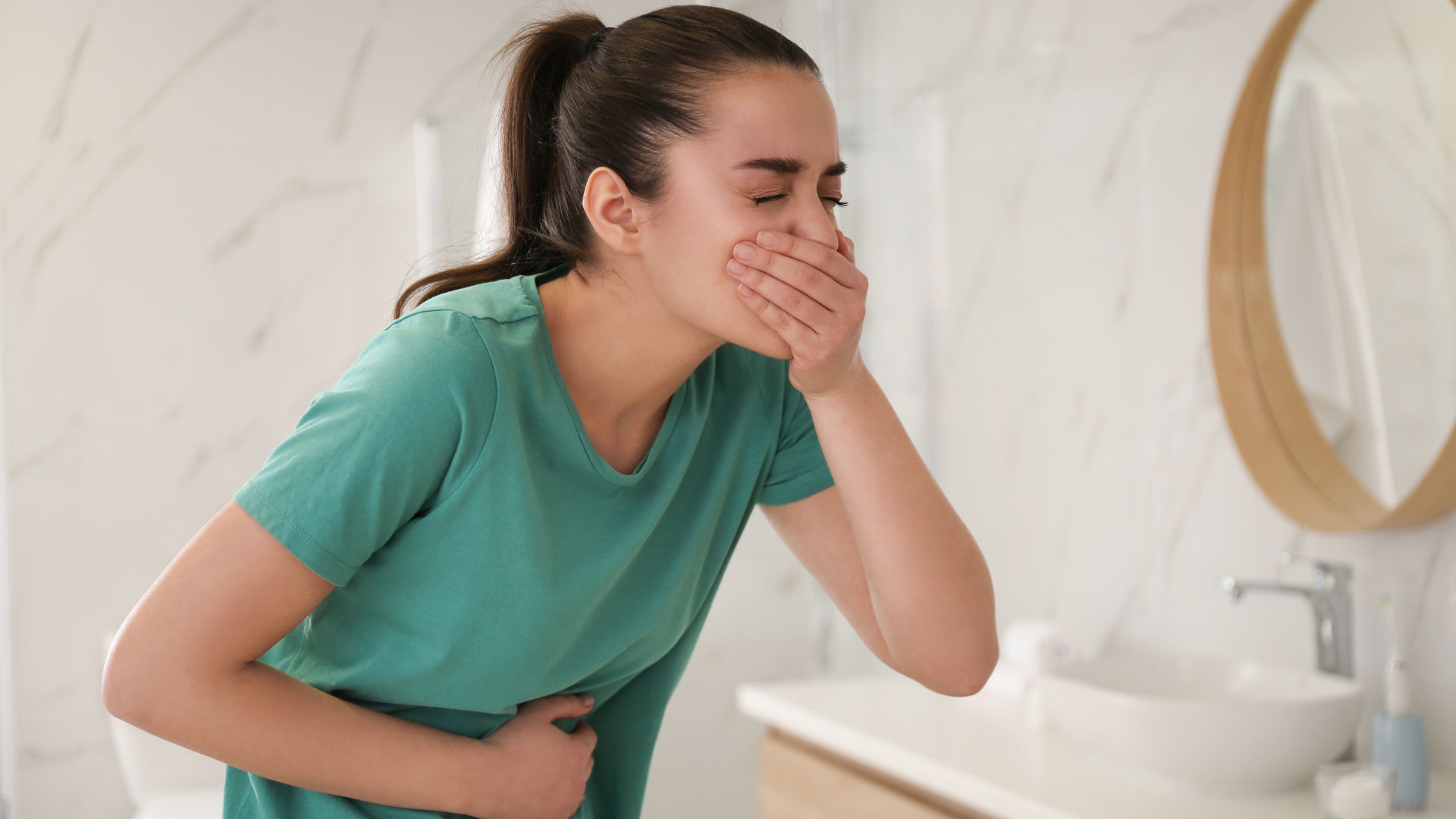
Cross contamination has ramifications for food safety that go beyond just transmitting bacteria. It is hazardous to one’s health and raises the possibility of foodborne illness. Consuming contaminated food can cause nausea, vomiting, diarrhoea, stomach cramps, and even more serious consequences in vulnerable groups such as newborns, the elderly, pregnant women, and those with compromised immune systems.
3) Consequences on Public Health and Reputation of Food Establishments
Cross contamination not only endangers people, but it can also have far-reaching effects for public health. Cross-contamination outbreaks may swiftly spread through a community, causing a large number of people to become ill. Furthermore, food enterprises that fail to avoid cross contamination may suffer serious reputational harm, customer loss, and legal ramifications.
Anitech’s Tips to Prevent Cross-Contamination
Anitech’s experts have shared some tips to help food businesses prevent cross contamination.
Have a look and ensure to practice at your organisation:
- When handling raw and ready-to-eat meals, use separate utensils or properly wash and disinfect utensils.
- Ensure to properly seal food stored and keep it away from the floor.
- Take necessary precautions to prevent any unwanted factors from coming in contact with the foodstuffs.
- Keep cleaning supplies and other non-food things separate from food.
- Change, wash, and sanitise cleaning clothes on a regular basis. Never clean anything that may come into touch with food using cloths designed for cleaning toilets or similar locations.
- Ideally, after washing and sanitising, allow equipment and utensils to air dry.
- Before beginning work, changing duties, or returning after a break (including smoking or restroom break), always wash and completely dry your hands.
1) Separately Storing Raw and Cooked or Ready-to-eat-food
- Store raw meats, poultry, and seafood separately from ready-to-eat foods to prevent any potential drips or spills.
- Use containers or sealed bags to keep raw items away from other foods.
2) Storing Foods at Proper Temperatures:

- Ensure that perishable foods are stored at the appropriate temperature to prevent bacterial growth.
- Keep refrigerator temperature at or below 40°F (4°C)
- Maintain freezer temperature at 0°F (-18°C) or below.
3) Steps for Effective Handwashing:
- Wet hands with clean, running water.
- Apply soap and lather well.
- Rub hands vigorously for at least 20 seconds.
- Rinse hands thoroughly under running water.
- Dry hands with a clean towel or air dryer.
4) Recommended Cleaning and Sanitising methods:
- Rinse surfaces well with hot soapy water.
- To destroy bacteria, use authorised sanitisers or sanitising solutions.
- Follow the manufacturer’s recommended cleaning and sanitising methods.
Anitech’s experienced Food Safety Consultants can help food organisations create robust HACCP or Hazard Analysis Critical Control Points. This strategy will help locate the contamination at an early stage aiding businesses to mitigate there itself and prevent further contamination.
Call us today for a customised HACCP plan for your organisation and let’s together collaborate to secure customer health.
You can ring us at 1300 802 163 or e-mail – sales@anitechgroup.com


Recent Comments