
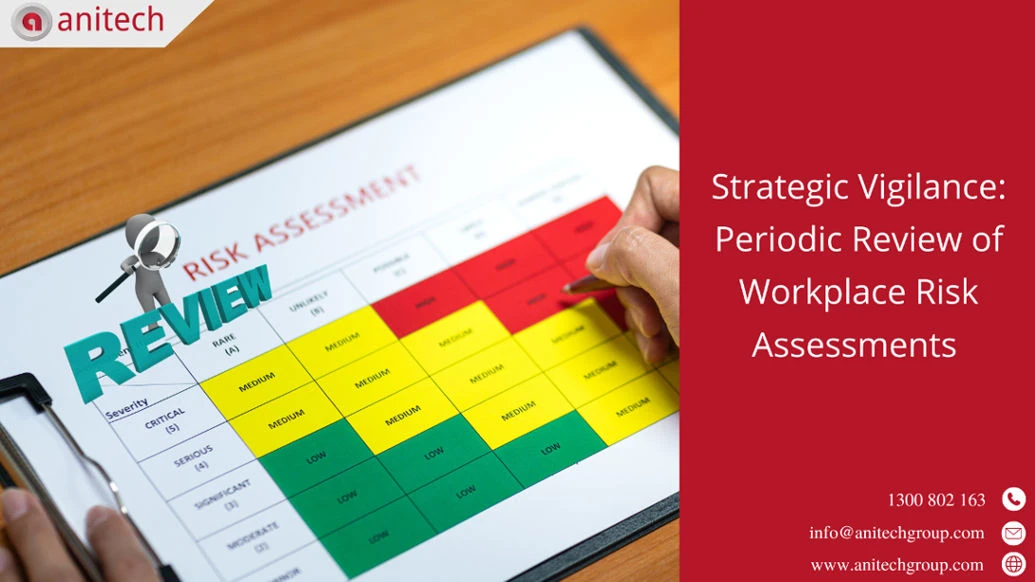
In the dynamic landscape of business operations, where uncertainties loom large, the importance of a systematic and periodic risk assessment review cannot be overstated.
The periodic review of workplace risk assessments emerges as a strategic imperative, ensuring that organisations stay ahead of potential hazards and foster a secure working environment.
In this blog, we have discussed the importance of periodic risk assessment reviews for businesses and when shall they be performed to enhance efficiency.
Importance of Periodic Risk Assessment for Businesses
Here’s a closer look at why regular risk assessment reviews are paramount:
1) Unveiling Evolving Threats:
Regular reviews ensure that your risk assessment stays aligned with the ever-changing business environment. New threats emerge, and existing ones may evolve. By conducting periodic reviews, you stay ahead of these shifts, enabling timely adjustments to your risk management strategies.
2) Validating Control Measures:
As your business evolves, so do the control measures put in place to mitigate risks. Regular reviews provide an opportunity to assess the effectiveness of existing controls. This validation ensures that your risk mitigation strategies remain robust and relevant in the face of changing circumstances.
3) Adapting to Operational Changes:
Businesses are dynamic entities, often changing processes, technologies, or even the workforce. Regular risk assessment reviews become a crucial tool in adapting your risk management approach to align with these operational changes, ensuring continued effectiveness.
4) Regulatory Compliance:
The regulatory landscape is subject to revisions, necessitating businesses to stay compliant with updated standards. Regular risk assessment reviews help identify areas where regulatory changes impact your risk profile, enabling prompt adjustments to ensure adherence and avoid legal complications.
5) Enhancing Resilience:
The business landscape is rife with unforeseen challenges. Regular risk assessment reviews contribute to enhancing your business’s overall resilience by identifying potential vulnerabilities and allowing proactive measures to fortify against them. This foresight minimises the impact of unforeseen events.
6) Aligning with Strategic Goals:
Business strategies evolve, and so do the associated risks. Regular reviews ensure that your risk assessment remains aligned with your strategic goals. This alignment is crucial for making informed decisions that support your business objectives while effectively managing associated risks.
7) Bolstering Stakeholder Confidence:
Stakeholders, including customers, investors, and partners, place a premium on businesses that exhibit a proactive approach to risk management. Regular risk assessment reviews demonstrate your commitment to ensuring the stability and security of your operations, fostering trust among stakeholders.
8) Seizing Opportunities:
Risks and opportunities often go hand in hand. Regular reviews help businesses identify not only potential threats but also latent opportunities. This proactive stance positions your business to capitalize on emerging trends and navigate market shifts strategically.
When Must a Risk Assessment Process Be Reviewed?
1) Control Measure Effectiveness:
Regular reviews are essential when existing control measures prove ineffective, especially in instances of workplace incidents or ‘near misses.’ Swift identification and rectification are key to bolstering workplace safety.
2) Adapting to Change:
Amidst evolving workplace layouts, practices, or the introduction of new equipment and processes, organisations must proactively review risk assessments. This ensures that control measures align with the latest operational dynamics.
3) Addressing Emerging Issues:
Identifying and promptly addressing new problems is crucial. Periodic reviews allow organisations to stay vigilant, adapting risk assessments to mitigate challenges posed by evolving work environments.
4) Consultation Insights:
Collaboration is integral to effective risk management. If consultation processes highlight concerns or evolving needs, organisations should promptly initiate reviews to incorporate valuable insights from stakeholders.
5) Post-Incident Assessments:
In the aftermath of workplace incidents or ‘near misses,’ conducting thorough reviews becomes imperative. This proactive approach enables organisations to learn from incidents, refine control measures, and prevent future occurrences.
6) Health and Safety Representative Input:
Respecting the inputs of health and safety representatives is pivotal. Honouring their requests for reviews demonstrates a commitment to a collaborative safety culture, where diverse perspectives contribute to a robust risk management framework.
When to Review the Risk Control Measures?
It is imperative to conduct a thorough review of your risk control measures under the following circumstances:
1) Control Measure Malfunction:
Promptly review the control measures in place when they prove ineffective, such as in instances where someone is injured or experiences a ‘near miss.’
2) Workplace Layout or Practice Changes:
Before implementing any changes to workplace layout or practices, ensure a comprehensive review of the existing risk control measures.
3) Introduction of New Elements:
Conduct a review when introducing new equipment, materials, or work processes into the operational environment to guarantee the adequacy of control measures.
4) Identification of New Issues:
If a new problem or concern emerges, initiate a review of the existing risk control measures to address and mitigate the newfound challenges.
5) Consultation Outcomes:
If the results of consultation processes indicate the necessity for a review, promptly assess to align with identified needs.
6) Incidents or Near Misses:
In the event of an injury or a ‘near miss,’ conduct a comprehensive review of risk control measures to rectify deficiencies and prevent future occurrences.
7) Health and Safety Representative Request:
Honour requests from health and safety representatives for a review, as their insights and concerns contribute significantly to maintaining a safe and secure work environment.
Strategic Benefits of Periodic Reviews:
1) Preventing Workplace Incidents:
Proactive reviews bolster the effectiveness of control measures, reducing the likelihood of workplace incidents and fostering a safer working environment.
2) Adapting to Change:
As businesses evolve, periodic reviews ensure that risk assessments remain aligned with current operational practices, mitigating potential hazards associated with change.
3) Enhancing Employee Well-being:
Regular assessments showcase a commitment to employee well-being, fostering a culture of vigilance and shared responsibility for a secure workplace.
Thus, the periodic review of workplace risk assessments is not merely a compliance measure but a strategic imperative for businesses aiming to navigate the complexities of today’s dynamic work environments. By staying vigilant and adapting to change, organisations can fortify their operational resilience and prioritize the well-being of their workforce.
For more information, stay tuned to our website.


Recent Comments