1300802163
 
HomeAuthor

Blog

Author

From Respiratory Issues to Allergies: Unravelling the Health Effects of Flour Dust 

While flour is a staple ingredient in countless culinary creations, the tiny particles it produces during handling and processing can pose potential health risks to those exposed to it. Hence. Unravelling the health effects of flour dust is therefore essential. Flour dust exposure in workplaces, such as bakeries and mills, has become a growing concern...

New Workplace Exposure Levels (WEL) to Replace the Existing Workplace Exposure Standards (WES) 

In what has come as a significant move, the Workplace exposure standards for airborne contaminants (WES list) are evolving, transitioning to the Workplace exposure limits for airborne contaminants (WEL). This shift comes as part of the WES Review, with significant changes outlined for Australian businesses to be aware of. After careful deliberation and extensive consultation,...

Securing Smart Devices: Mandatory Standards and Voluntary Cybersecurity Labels Set to Enhance Consumer Safety 

As part of the 2023-2030 Australian Cyber Security Strategy, the Government unveiled plans to collaborate on potential legislation for a compulsory cybersecurity standard for Internet of Things (IoT) devices and introduce a voluntary labelling system for consumer-grade smart devices. Current Issue:  Presently, manufacturers of smart devices are not obligated to adhere to security standards, posing...

Sustainability Reporting Update: Proposed Adoption of Climate-Related Disclosure Standards in Australia 

In a landmark move towards global sustainability reporting, the International Sustainability Standards Board (ISSB) unveiled its inaugural sustainability disclosure standards, IFRS S1 and S2, on June 26, 2023. These standards aim to establish a comprehensive global framework for sustainability disclosures, catering to the information needs of capital market stakeholders. IFRS S1, titled “General Requirements for...

Managing Wood Dust: Implementing Control Strategies and Best Practices 

Wood dust can pose a serious health hazard in woodworking facilities, which makes implementing effective wood dust control measures a crucial aspect of ensuring workplace safety. Safe Work Australia guidelines mandate strict compliance in preventing exposure to hazardous dust that can cause a variety of health problems, including respiratory issues and even cancer. Our comprehensive...

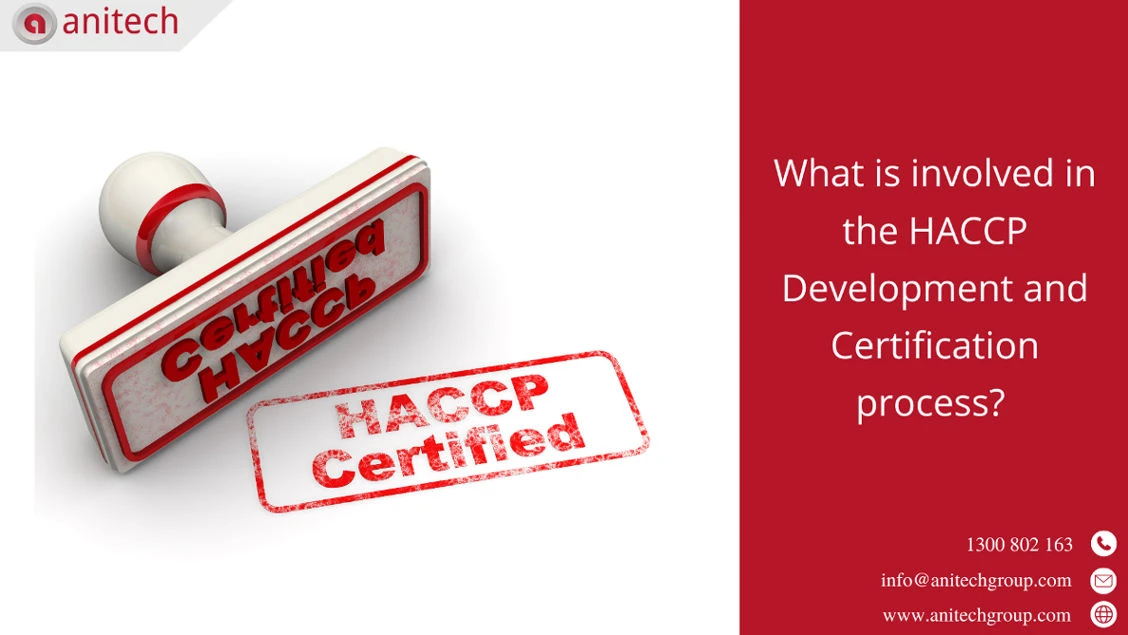
What is involved in the HACCP Development and Certification process? 

Hazard Analysis Critical Control Point (HACCP) certification plays a pivotal role in ensuring food safety across the supply chain in Australia. This internationally recognised standard is designed to prevent microbiological, chemical, and physical contamination, safeguarding consumers from potential health risks associated with foodborne illnesses. Understanding HACCP Certification HACCP is a systematic approach to identifying, evaluating,...

Mobile Apps for On-the-Go Learning: A Game-Changer in Food Safety Training 

In today’s fast-paced world, staying compliant with food safety regulations is paramount for businesses across Australia. From small cafes to large-scale food manufacturers, ensuring staff are trained and up-to-date with the latest standards is crucial for maintaining the integrity of the food supply chain. Here comes into the picture the mobile apps for on-the-go learning,...

Crafting an Effective Workplace Noise Policy: Key Considerations 

Although industrial growth and investment can offer substantial benefits such as increased employment opportunities and revenue, uncontrolled industrial noise has the potential to disrupt daily life, impacting various activities, well-being, and even sleep quality. Excessive noise can lead to various health issues, including stress, hearing loss, decreased productivity, and difficulty concentrating. To address the risk...