1300802163
 
HomeAuthor

Blog

Author

Preventing Cross Contamination in Food Processing: Tips for Success 

Cross contamination Cross contamination happens when an object gets contaminated via direct or indirect interaction with another contaminated object. For example, bacteria from raw meat, poultry like eggs, seafood like fish, and raw vegetables (such as unwashed potatoes and other root vegetables) can be transferred onto ready-to-eat foods such as leaf and vegetable salads, rice or...
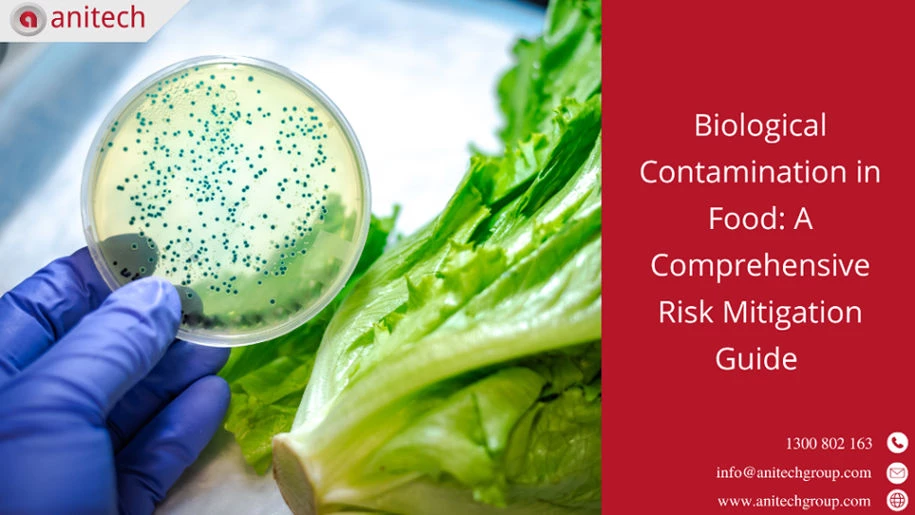

Biological Contamination in Food: A Comprehensive Risk Mitigation Guide 

With the number of food recalls seeing a massive rise, it is crucial for food businesses to ensure the product is free of contamination. However, owing to the demand, massive production, processing units, procedures, food handling, storage and other procedures involved, food can get infected by various types of contaminations, one such being the biological...

Allergen Testing for Food Manufacturers: Ensuring Safety and Quality 

Allergen Testing Allergen testing plays a crucial role for food businesses to detect the presence of allergens in food which might cause allergic reactions in consumers. By providing allergen-free products, food Companies can help secure the health of consumers, gain their trust, and enhance their reputation in the market. Allergens are substances that can trigger...

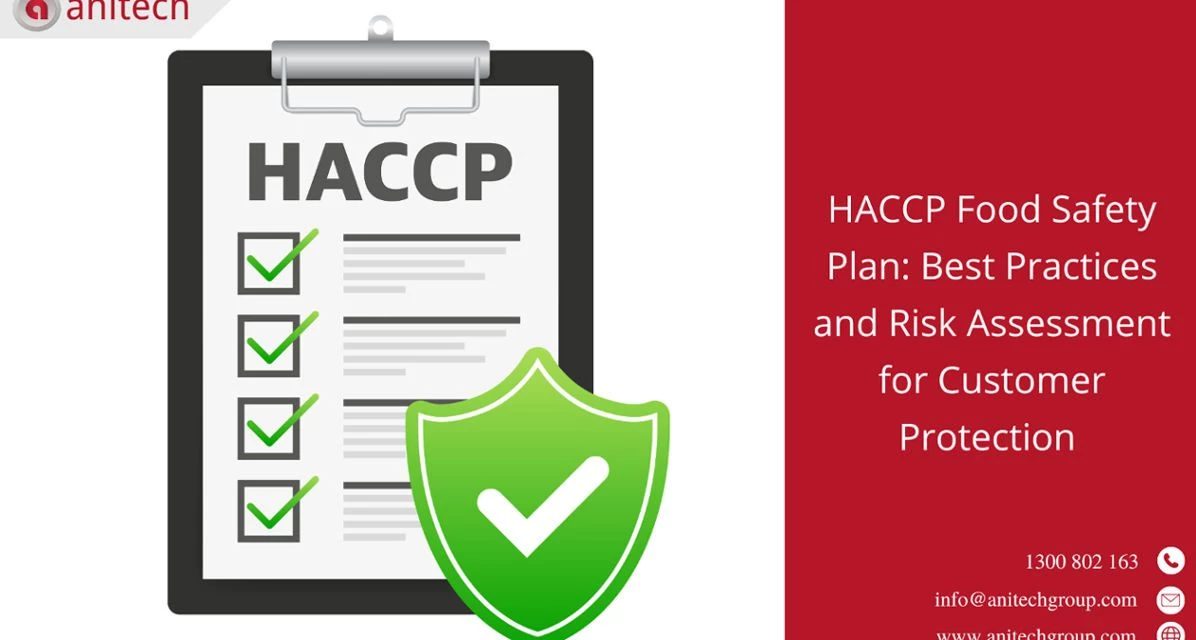
HACCP Food Safety Plan: Best Practices and Risk Assessment for Customer Protection 

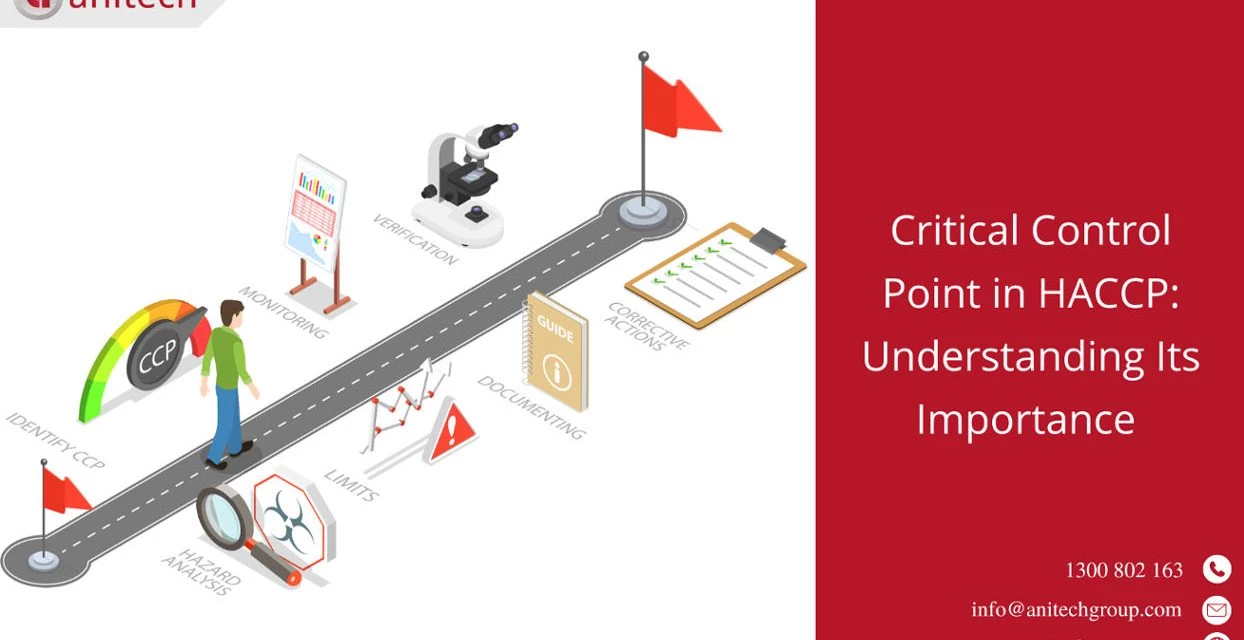
Since its inception in 1960 by a team of food experts at NASA, the HACCP (Hazard Analysis and Critical Control Points) Food Safety Plan is the popular and much-recommended choice of global food businesses and consultants. The plan encapsulates best practices for risk assessment to overcome flaws in the food processes, thus safeguarding customer health....

Foodborne Illness: How to Prevent It and Keep Your Customers Safe 

Every year in Australia thousands of people suffer from foodborne illnesses like gastroenteritis (gastro) caused by eating contaminated food. There are around 5.4 million cases of foodborne gastroenteritis each year (95% Credible Interval of 4-6.9 million cases), which results in 80 annual fatalities. Additionally, a recent health statistic found that the prevalence of gastrointestinal illnesses...

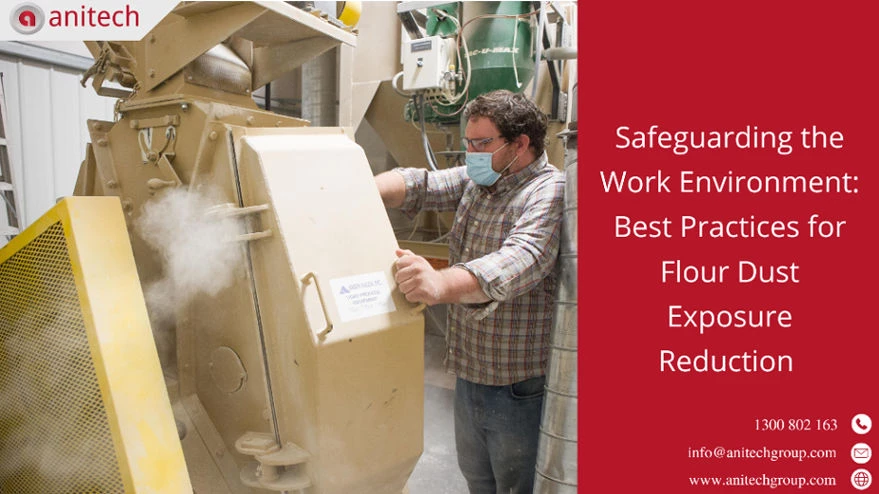
Safeguarding the Work Environment: Best Practices for Flour Dust Exposure Reduction 

Flour dust exposure poses significant health and safety risks in industries such as baking, milling, and food processing. The airborne particles generated during these processes can lead to respiratory issues, allergic reactions, and even explosive hazards. Protecting workers from the potential dangers of flour dust inhalation requires proactive measures and adherence to best practices in...

Why Food Safety Culture Matters: Protecting Your Customers and Business 

In recent years, the industry’s perspective on food safety has changed, with the gold standard now being more about culture than checking boxes. The food safety culture is far more instinctual and less well-defined than food safety, although it may be tested in traditional methods. The trick is to simplify the complexity of audits, paperwork, and...

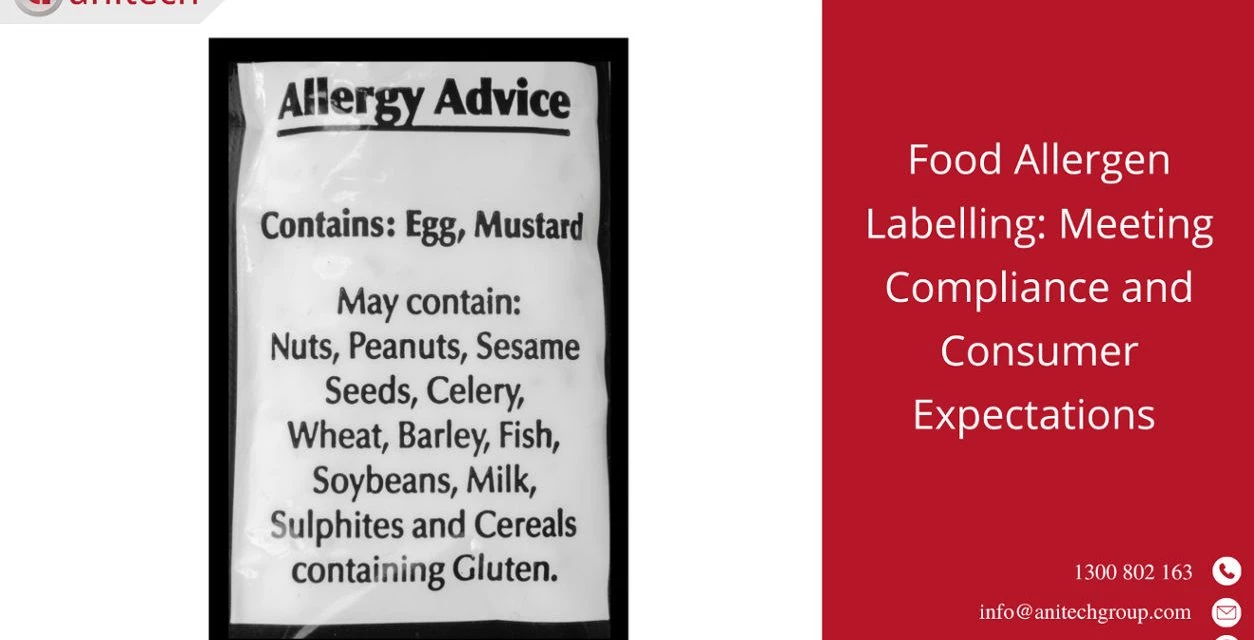
Food Allergen Labelling Meeting Compliance and Consumer Expectations 

Allergen Labelling Some foods and components have the potential to cause allergic reactions like anaphylaxis, immunological reactions, like those seen in Coeliac disease, and other negative health consequences, such as asthma among allergic individuals. The process of labelling some goods known to contain common allergens is now governed by new plain English allergen labelling standards...