1300802163
 
HomeCategory

Blog

Food Poisoning: Causes, Symptoms, and Prevention Tips 

Food poisoning is an unfortunate occurrence that can easily spoil a pleasant meal. However, it’s important to understand that this ailment is more widespread than most people realise. Food businesses should therefore imply strategies to prevent chemical contamination and secure consumer health. It is therefore crucial to be aware of the types of chemical contaminants...

Food Ingredients Label: What to Include and How to Comply

Food ingredients label is incredibly important, as it not only inform consumers to make informed choices but also help food businesses comply with regulatory standards. Food organisations in Australia and New Zealand must include food ingredients labels on their products as per the standard format given by FSANZ (Food Safety Australia New Zealand) standard. It...

Preventing Cross Contamination in Food Processing: Tips for Success 

Cross contamination Cross contamination happens when an object gets contaminated via direct or indirect interaction with another contaminated object. For example, bacteria from raw meat, poultry like eggs, seafood like fish, and raw vegetables (such as unwashed potatoes and other root vegetables) can be transferred onto ready-to-eat foods such as leaf and vegetable salads, rice or...

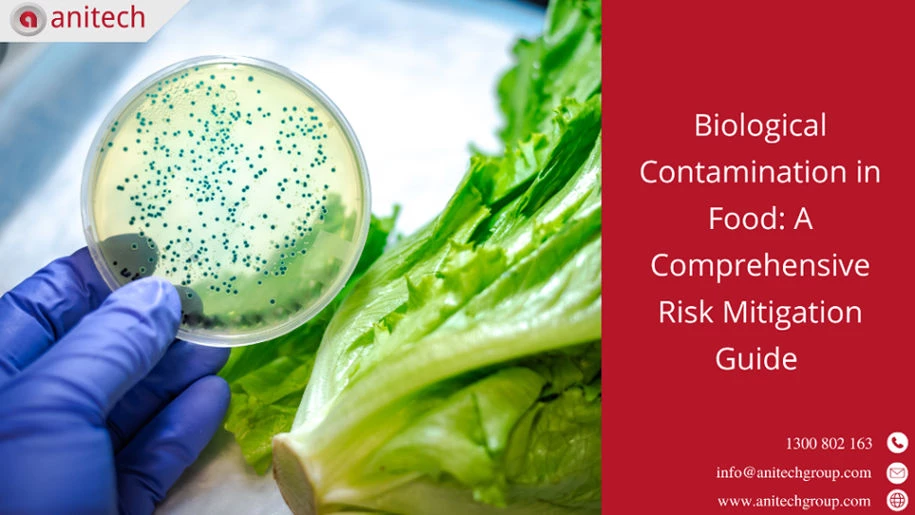
Biological Contamination in Food: A Comprehensive Risk Mitigation Guide 

With the number of food recalls seeing a massive rise, it is crucial for food businesses to ensure the product is free of contamination. However, owing to the demand, massive production, processing units, procedures, food handling, storage and other procedures involved, food can get infected by various types of contaminations, one such being the biological...

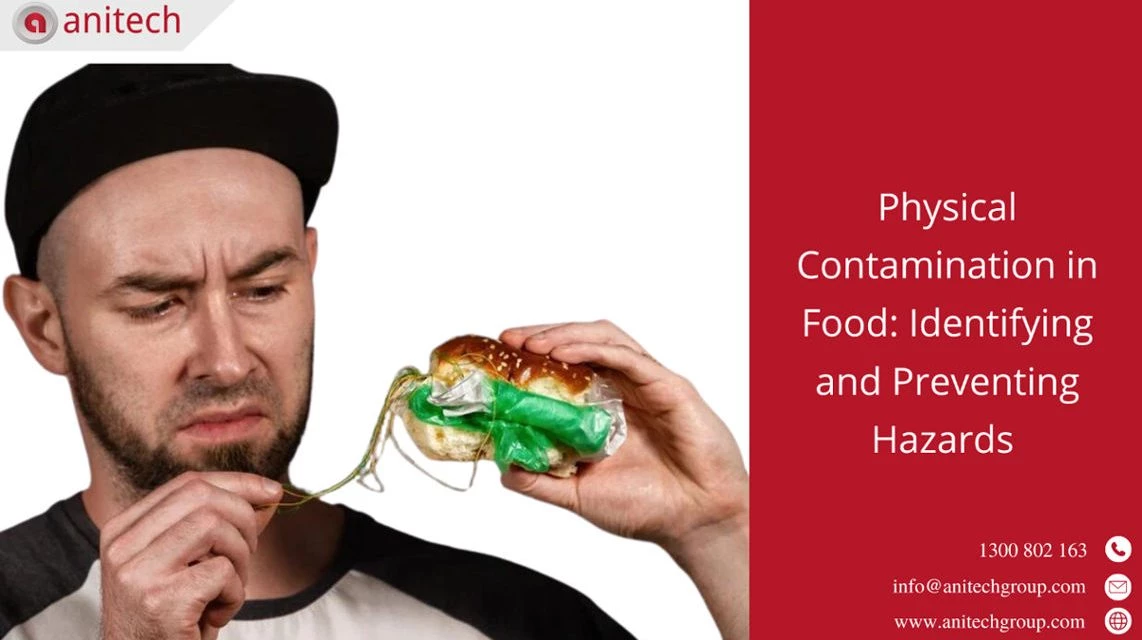
Physical Contamination in Food: Identifying and Preventing Hazards 

Physical food contamination is a serious issue in the area of food safety that demands prompt action from food businesses to safeguard consumer health and trust in the products. To protect customers from potential injury and to preserve the integrity of the food manufacturing processes, physical contamination must be addressed quickly. Food organisations can make...

Allergen Testing for Food Manufacturers: Ensuring Safety and Quality 

Allergen Testing Allergen testing plays a crucial role for food businesses to detect the presence of allergens in food which might cause allergic reactions in consumers. By providing allergen-free products, food Companies can help secure the health of consumers, gain their trust, and enhance their reputation in the market. Allergens are substances that can trigger...

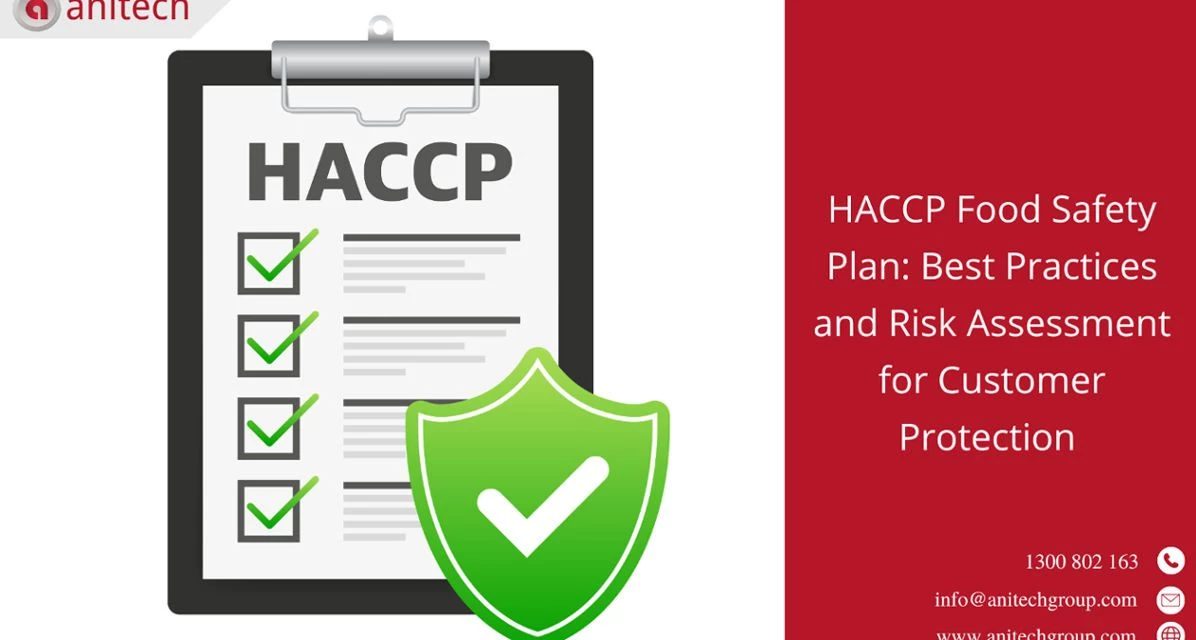
HACCP Food Safety Plan: Best Practices and Risk Assessment for Customer Protection 

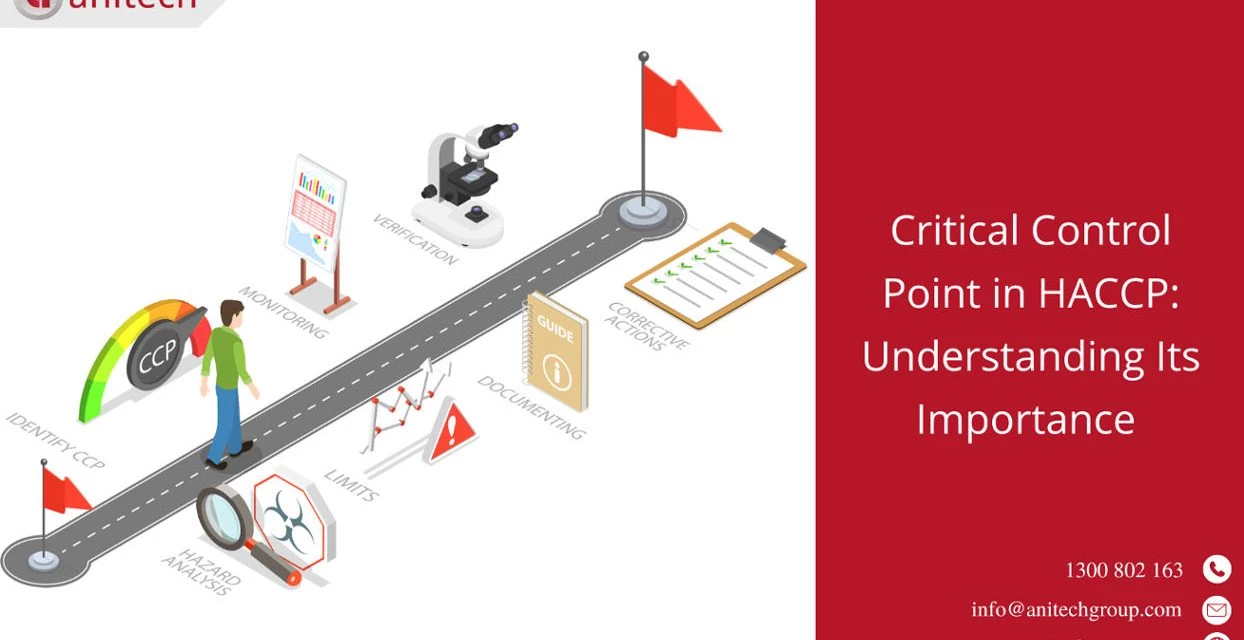
Since its inception in 1960 by a team of food experts at NASA, the HACCP (Hazard Analysis and Critical Control Points) Food Safety Plan is the popular and much-recommended choice of global food businesses and consultants. The plan encapsulates best practices for risk assessment to overcome flaws in the food processes, thus safeguarding customer health....

Foodborne Illness: How to Prevent It and Keep Your Customers Safe 

Every year in Australia thousands of people suffer from foodborne illnesses like gastroenteritis (gastro) caused by eating contaminated food. There are around 5.4 million cases of foodborne gastroenteritis each year (95% Credible Interval of 4-6.9 million cases), which results in 80 annual fatalities. Additionally, a recent health statistic found that the prevalence of gastrointestinal illnesses...