1300802163
 
HomeCategory

Blog

Assessing Wood Dust Exposure: Monitoring and Measurement Techniques 

Wood dust exposure is a serious concern in various industries, especially woodworking, construction, and manufacturing. It refers to the inhalation or contact with tiny particles that are released during the processing, cutting, sanding, or other activities involving wood. In this article, we will explore the definition and types of wood dust and delve into the...

From Respiratory Issues to Allergies: Unravelling the Health Effects of Flour Dust 

While flour is a staple ingredient in countless culinary creations, the tiny particles it produces during handling and processing can pose potential health risks to those exposed to it. Hence. Unravelling the health effects of flour dust is therefore essential. Flour dust exposure in workplaces, such as bakeries and mills, has become a growing concern...

New Workplace Exposure Levels (WEL) to Replace the Existing Workplace Exposure Standards (WES) 

In what has come as a significant move, the Workplace exposure standards for airborne contaminants (WES list) are evolving, transitioning to the Workplace exposure limits for airborne contaminants (WEL). This shift comes as part of the WES Review, with significant changes outlined for Australian businesses to be aware of. After careful deliberation and extensive consultation,...

Managing Wood Dust: Implementing Control Strategies and Best Practices 

Wood dust can pose a serious health hazard in woodworking facilities, which makes implementing effective wood dust control measures a crucial aspect of ensuring workplace safety. Safe Work Australia guidelines mandate strict compliance in preventing exposure to hazardous dust that can cause a variety of health problems, including respiratory issues and even cancer. Our comprehensive...

Crafting an Effective Workplace Noise Policy: Key Considerations 

Although industrial growth and investment can offer substantial benefits such as increased employment opportunities and revenue, uncontrolled industrial noise has the potential to disrupt daily life, impacting various activities, well-being, and even sleep quality. Excessive noise can lead to various health issues, including stress, hearing loss, decreased productivity, and difficulty concentrating. To address the risk...

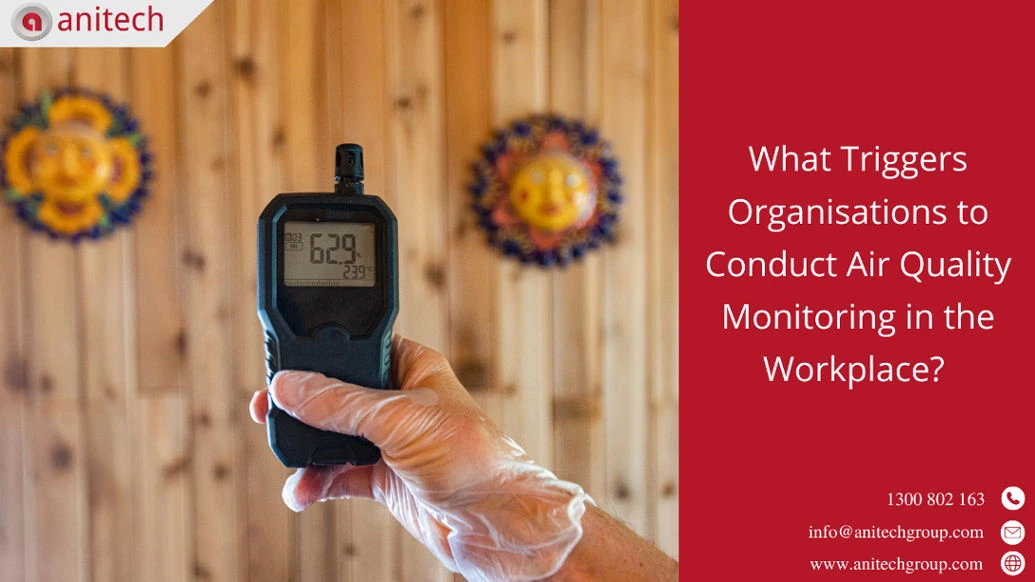
What Triggers Organisations to Conduct Air Quality Monitoring in the Workplace? 

In the realm of occupational health and safety, the well-being of your workforce is paramount. Central to this commitment is the diligent management of air quality to ensure that your employees are never exposed to airborne substance concentrations that surpass workplace exposure standards. This blog highlights the significance of maintaining clean, healthy air in your...

Managing Diesel Particulate Matter: Control Strategies and Emission Reduction

In a recent Workplace Health and Safety (WHS) review conducted by Safe Work Australia, the WHS ministers have acknowledged that exposure to diesel particulate matter harms workers’ health. They have recommended adding a workplace exposure standard for diesel particulate matter, a TWA of 15 µg REC/m3 for DPM from any diesel engine. Furthermore, the proposed...