
Australia has the highest frequency of food allergies, and the related death rate is rising. In Australia and New Zealand, it is believed that food allergies affect 10% of babies, 4-8% of children, and around 2% of adults.
Furthermore, the country saw 187 food recalls between 2018 and 2019, with 74 of those (or 40%) caused by hidden allergies. With 61 food recalls carried out between 1 January and 30 July 2020, this tendency has persisted, with 48% of them being associated with hidden allergies.
The above data has been released on Safe Food Queensland.
Hence, an allergen management plan is essential for businesses to keep these harmful allergens at bay and secure consumer health and trust.
In this blog, we have explored the various allergens giving nightmares to the food industry and hamper the health of the citizens. We have also encapsulated a robust allergen management plan that complies with the regulations and should be implemented by organisations.
But before we dive into the details of the allergen management plan, let’s explore its importance for food businesses in Australia, common allergens, diseases and allergies.
Allergen Management
An Allergen Management Program (AMP) is created by looking at the potential allergy hazards in industrial processes. A successful AMP and allergy risk evaluation method may assist food companies in adhering to legal, regulatory, and quality standards.
Why Allergen Management Matters?
The management of allergens has become a vital component of corporate success in Australia’s evolving food sector. The health of consumers, legal requirements, and brand reputation are all impacted by inadequate allergen management.
These concerns are supported by the unavoidable requirement for organisations to provide proper allergen management techniques top priority.
Businesses are required to set rules, train staff, and, upon request from consumers, disclose any possible food allergies. It is crucial to remember that, regardless of how the product is packaged, ignorance cannot be used as a justification or defence.
The below reasons emphasise why allergen management is the need of the hour in Australia:
1. Safeguarding Consumer Health
Properly managing allergens is essential for everyone’s health and safety and it’s not just a personal preference.
With one in 20 children and one in 50 adults in Australia living with food allergies, it’s no surprise that the country has one of the highest rates of allergies worldwide. Even the tiniest number of allergens can trigger severe reactions in those with allergies, potentially leading to hives, breathing difficulties, and even life-threatening anaphylaxis.
It’s up to businesses to take a leading role in ensuring the well-being of their customers by managing allergies effectively.
2. Fulfilling Legal Obligations
In Australia, the food industry is subject to strict regulations regarding allergen management. The Food Standards Code mandates that businesses accurately label allergens in their products, provide clear and precise information to consumers, and prevent cross-contamination during production. Failure to comply with these regulations can result in significant fines, legal action, and harm to a business’s reputation.
It is vital for businesses to have expert allergen management to ensure compliance and minimize legal liabilities.
3. Preserving Brand Reputation
Brand reputation is delicately balanced at a time when information spreads at the speed of a click. Incidents involving allergies, including hidden allergens in products, can result in recalls, unfavourable media attention, and public indignation.
Today’s consumers want responsibility, honesty, and openness from the companies they patronise. Effective allergy management demonstrates a company’s dedication to customer satisfaction and establishes trust, encouraging steadfast loyalty and a favourable perception of its brand.
4. Consumer Trust and Loyalty
Consumer loyalty is also influenced by a brand’s ideals and business practices in addition to taste and quality. The handling of allergens demonstrates a company’s commitment to inclusion and the welfare of all its consumers. Customers are more likely to pick a brand’s products, suggest them to others, and stick with them in the face of competition if they believe that the company takes allergy control seriously.
5. Differentiating in the Market
Businesses that put an emphasis on allergy control have an advantage in a highly competitive market. Businesses may tap into an exclusive customer base by providing for the demands of sensitive customers and establishing themselves as industry leaders in allergen-friendly products. This tactical advantage not only broadens the client base but also improves the general perception of the brand as progressive and thoughtful.
Common Food Allergens
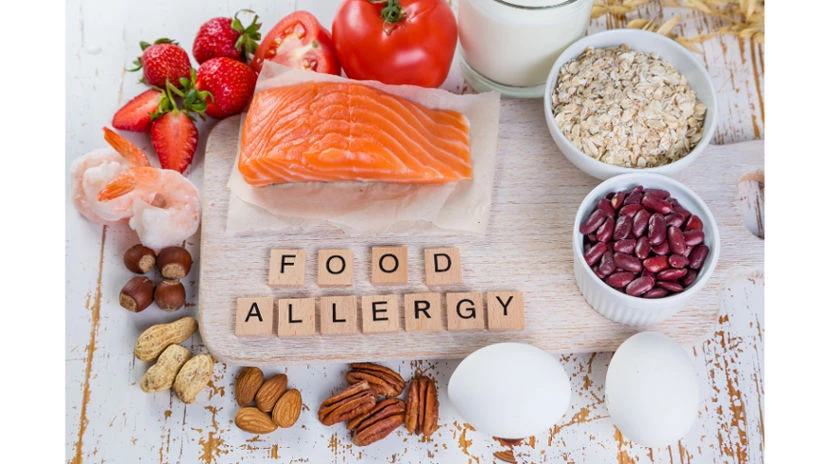
The foods most likely to make children and adults unwell are milk, peanuts, tree nuts, eggs, and gluten-containing cereals. Fish, crustaceans, soy, sesame seeds, and lupins are some further frequent allergies.
a) Key Statistics in Australia:
Below given are the key statistics about common food allergens, their prevalence, and their impact on food recalls in Australia:
1) Peanuts: Approximately 3% of Australian children have a peanut allergy.
2) Tree Nuts: Allergies to tree nuts affect around 2% of Australian children.
3) Eggs: About 9% of infants are allergic to eggs, however, most outgrow the allergy by the age of five.
4) Milk: Allergy caused by Cow’s milk affects up to 5% of Australian infants.
5) Wheat: Wheat allergies are less common, affecting around 0.1% of the population.
6) Soy: Soy allergies are relatively uncommon, with a prevalence of about 0.5% only in Australia.
7) Fish and Shellfish: Fish and shellfish allergies are more prevalent in adults, with a lower prevalence in children.
b) Age Group Prevalence:
- Food allergies are more common in children, with an estimated 1 in 10 infants affected.
- Many children outgrow allergies, but some persist into adulthood.
c) Food Recalls and Hidden Allergens:
1) Percentage of Recalls: Hidden allergens are a leading cause of food recalls in Australia, accounting for approximately 40% of all recalls.
2) Undeclared Allergens: A significant portion of recalls result from undeclared allergens on labels, indicating the importance of accurate labelling.
3) Cross-Contamination: Cross-contamination during manufacturing or processing is another key contributor to hidden allergen-related recalls.
These statistics underscore the importance of accurate allergen management, labelling, and communication within the food industry in Australia. Proper handling of allergens, clear labelling, and adherence to regulations is essential to prevent allergic reactions and maintain consumer trust.
Businesses should have knowledge about these allergens.
Diseases Caused by Allergens
The following are the known diseases caused by allergens:
- Hay Fever or Allergic Rhinitis.
- Asthma.
- Eczema or Atopic Dermatitis.
- Allergic Conjunctivitis
- Anaphylaxis or Severe Allergic Reaction.
- Hives or Urticaria.
- Food Allergies.
- Insect Sting Allergies.
- Allergic Bronchopulmonary Aspergillosis (ABPA).
- Contact Dermatitis.
Allergies and Food Intolerances
Businesses need to be aware of, and understand, the differences between allergies and food intolerances, as they develop and present differently from one another.
Allergies
A physical reaction to a protein that the body “thinks” is dangerous is a food allergy. Food allergies cannot be cured, and the only method to stop an allergic reaction is to stay away from foods that contain offending protein. An allergen can cause the body to respond in a number of different ways, including the development of hives, swelling, discomfort, vomiting, trouble breathing, disorientation, and collapse.
Food Intolerances
The inability of the body to digest or metabolise some foods (such as the gluten in bread) is known as food intolerance. Products including gluten, lactose, yeast, food additives, and sulphites can all lead to intolerances in some people. The symptoms are often not life-threatening, even though they can occasionally be unpleasant and severe.
Difference between Allergies and Food Intolerances
The below table enlists the key differences between allergies and food intolerances:
| S. No. | Parameters | Allergies | Food Intolerances |
|
|
Area of Impact | Immune Response: Allergies are immune reactions triggered by specific proteins in foods, even in tiny amounts.
|
Digestive System: Intolerances are primarily related to the digestive system’s inability to process certain substances.
|
| 2. | Type of Reaction | Immediate Reaction: Allergic responses happen swiftly after exposure, ranging from mild to severe, including anaphylaxis. | Delayed Response: Symptoms emerge slowly, often hours after consuming the trigger food. |
| 3. | Common Symptoms | Hives, swelling, itching, difficulty breathing, nausea, and vomiting. | Bloating, gas, diarrhea, abdominal pain. |
| 4. | Common Triggers/ Allergens | Peanuts, tree nuts, shellfish, eggs, milk, wheat, soy, and fish. | Lactose (dairy), fructose (fruits), histamine (aged foods). |
| 5. | Testing | Skin prick tests, blood tests, and medical history evaluation can diagnose allergies. | Medical history, elimination diets, and symptom monitoring help identify intolerances.
|
| 6. | Treatment | Strict avoidance is necessary. In severe cases, epinephrine (EpiPen) may be required.
|
Reducing or eliminating the trigger food is key. Enzyme supplements can aid some intolerances.
|
| 7. | Impact on Infected Individuals | Can be life-threatening, demanding vigilant avoidance and immediate action in case of accidental exposure. | Generally less severe, but can significantly impact the quality of life due to chronic digestive discomfort.
|
The signs might be fatal. There is no safe level of allergen exposure.
However, understanding these distinctions empowers individuals to manage their dietary choices, seek appropriate medical advice, and live healthier lives.
Furthermore, when handling allergies and intolerances, food handlers should follow the same guidelines.
Anaphylaxis
When the circulatory (heart and circulation) system and/or the breathing system are affected, it is said to be an anaphylactic reaction (anaphylaxis) to food. Anaphylactic responses to food are happening more often among allergic people. If adrenaline is not administered within a few minutes, the situation might be lethal.
According to the ASCIA6 Action Plan, symptoms of anaphylaxis might include:
- Trouble breathing or noise.
- Tongue swelling.
- Throat enlargement or tightness
- Wheezing or chronic cough.
- Speaking difficulties or hoarseness.
- Ongoing dizziness or collapse.
- Paleness and floppy appearance (in young children).
Patients with severe allergies are given an adrenaline autoinjector to use as soon as possible while an ambulance is summoned.
A person who has previously had anaphylaxis is more likely to develop the same allergen-induced event again. Similarly, someone with a mild or moderate response might become affected by anaphylaxis after another encounter.
The size and complexity of each organisation may be accommodated by changing best practices for allergen management and risk evaluation.
Urgent Need for Allergen Management
Australia is facing a significant challenge in the form of a widespread issue of food allergies. These allergies are affecting 1 in 10 infants and 3% of children, and their unpredictable nature requires immediate attention. A significant portion of food recalls in Australia are due to hidden allergens, making it crucial to have strict labelling guidelines.
With the lives of loved ones, neighbours, and community members at stake, it is essential that we take action to manage allergens effectively. Businesses have to adhere to all safety measures and contribute to the health of people, which in turn will enhance customer trust and brand reputation.
We can no longer afford to be complacent and must work together to prioritize health, establish trust, and redefine food safety standards in Australia.
Allergen Management Plan
Ensuring the safety of your products requires an allergen control plan which is vital. It is imperative to take all necessary measures to prevent the inclusion of allergic foods and substances in products for which they were not intended.
An ‘allergen management plan’ is a written document that describes your company’s strategy for locating, handling, processing, and packaging foods and components that are allergens.
For food companies to properly manage allergies, allergy management is crucial and must be incorporated into food safety policies and procedures such as GMPs.
This includes every step of the supply chain for food products, from raw ingredients to finished goods. A reliable system should be able to identify potential risks and challenges and have strategies in place to effectively manage them.
Key Principles of Allergen Management Plan
The key principles of an allergen management plan encapsulate the following:
1. Management Commitment
Senior management has approved and distributed to all staff members a written allergen management program that is in place. It is the responsibility of authorised staff to establish and implement an allergy management plan.
2. Management Review
If modifications are made, the Allergen Management Program should be evaluated at least once a year.
3. Regulation
There are policies and practises for monitoring compliance with Australian and New Zealand regulatory standards in place.
4. Food Safety Plans
Certification from a respected food safety management scheme and an allergen management programme based on HACCP and supported by good manufacturing practices.
5. People Management
Personal protective equipment (PPE), cleanliness, meals, mobility, facilities, staff changes, and visitors should all have documented processes for management and control.
6. Supplier or Vendor Assurance
There is a formalised supplier approval process in place.
7. Premises and Factory Design
The layout of the production facility, the machinery, and the equipment are all intended to make managing allergies easier and reduce the chance of cross-contact between allergens.
8. Traceability
The passage of allergens is tracked by systems with respect to raw materials, processing (including rework), cleaning, labelling, and distribution of final goods.
9. Storage
There are protocols in place that are documented that regulate the reception and storage of packaging and raw materials. There is proper storage handling to avoid any cross-contact ingredient segregation. To reduce risk, in some cases, several production lines could be necessary.
10. Production Process
There are defined and implemented standard operating procedures for the management and control of food allergies during the production process.
11. Labelling
There are procedures in place to manage label transitions. To ensure that the formulation matches the components listed on the label, internal audits are carried out.
12. Cleaning
There are protocols in place for handling spills of raw materials as well as for cleaning the facility, furnishings, and instruments to avoid cross-contamination with allergens. Validation and verification of the cleaning process are tracked and evaluated.
There are procedures in place to guarantee that allergens are marked in accordance with the Code’s criteria.
13. Product Development
To handle changes to allergens, procedures are in place for formulation modifications, management of factory trials, and introduction of new goods.
14. Waste
Processes for regulating waste goods and packaging that contain allergies.
15. Allergen Testing
Allergen testing is an expertly crafted process to thoroughly examine unfinished products, finished goods, and environmental surfaces.
16. Monitoring and Review
To ensure that the prescribed allergy management policies are followed, internal audits are carried out. Every time there is an event with uncontrolled allergens, the fundamental cause is investigated, and remedial measures are implemented.
17. Training
It is important for staff to receive education on managing food allergies, including how to prevent accidental exposure to allergens. Additionally, it is necessary to ensure that your product labels comply with food standards codes.
Induction training is given to new employees while existing employees get annual refresher training on allergy management.
18. Allergen Analysis
When applicable, protocols are in place for allergen analysis of raw materials and/or completed products, which include a review of the findings and follow-up steps.
19. Product Specifications
Information about AFGC Products Forms and raw material requirements are kept centrally and updated and evaluated on a regular basis.
This data may originate from product information forms (PIFs), ingredient declarations, or supplier requirements. PIFs include standardised information that complies with legal and regulatory compliance in Australia and New Zealand, including supplier contact information, production information, ingredients, composition, and other information.
20. Food Recall Plan
An established, well-documented food recall procedure that has been put through mock recall tests.
Responsibilities of Food Manufactures & Retailers
As per law, food manufacturers are required to thoroughly comprehend the allergy status of the foods they produce. Determining the presence or absence of allergens in food is part of understanding its allergy status.
If allergies are discovered, it is necessary to identify them, as well as whether they are a byproduct of cross-contact, a food additive, or an ingredient.
To guarantee compliance, allergen management and labelling procedures must be kept current and evaluated on a regular basis.
The Food Standards Code’s standards for allergy disclosure in the food business must be followed. To assist customers, manage their food allergies, food makers, merchants, and importers must provide information about food allergens.
The inadvertent presence of food allergies that may result from cross-contamination must be managed by food makers and food merchants (such as a supermarket with its own bakery). The accidental presence of food allergens is not governed by the Food Standards Code.
Providing clear, current, and correct information regarding the allergy status of their products is the responsibility of food makers, retailers, and importers. They are also responsible for making sure their imports are properly marked.
The Allergen Collaboration has decided on several essential messages for food producers, retailers, and importers in relation to managing food allergens throughout the food supply chain. This list includes them.
Food Manufacturers and Retailers
- Adopt a successful allergy management strategy.
- Educate employees about the dangers, management, and communication of food allergies.
- It is the duty of food producers and distributors to control the unintended presence of food allergies.
- Give precise, up-to-date, and lucid details on your product’s allergy status.
Food Importers
- Give precise, current, and understandable details on the import product’s allergy status.
- Importers should inform foreign suppliers of the Food Standards Code’s labelling obligations.
Incident Prevention Measures for Businesses
- Examine recipes, ingredients, and food components (such as prepared sauces) to see whether any allergies are present.
- Examine the labels on each ingredient used to prepare food. You shouldn’t utilise a premade food product or ingredient if it doesn’t have a label unless you have paperwork that lists all the constituents.
- Consider food allergies when preparing meals. Cross-contamination between substances that cause allergies and those that can’t result in the introduction of allergens.
The most common ways that cross-contamination during preparation happens are:
- Interaction between foods (touching or dripping).
- Hand-to-food contact (food handlers handling unclean food) equipment-to-food contact (sharing of utensils).
Recognise the obligations placed on your company when disseminating allergy information. You must inform your client that:
- if an allergy is present (by identifying the food item or informing the customer upon request).
- if you can’t ensure a meal devoid of allergens.
How Anitech’s Food Consultants Can Empower Australian Businesses with Allergen Management Excellence?
In the dynamic realm of the Australian food industry, where the pursuit of culinary innovation meets the responsibility of consumer safety, Anitech stands as a beacon of trust and expertise. With an unwavering commitment to food safety, we offer Australian businesses a steadfast partner in creating effective allergen management plans that resonate with excellence.
Anitech’s team of experienced food safety consultants serve as architects of transformation, combining industry insight with strategic prowess to craft design robust management solutions tailored to suit a business.
Our consultants can play an indispensable role by:
1. Customised Approaches:
We understand that each business is unique. Our consultants collaborate closely with you to develop allergen management strategies that seamlessly integrate into your operations, products, and values.
2. Hazard Identification:
Armed with an acute understanding of allergen hazards, our experts meticulously pinpoint critical control points to pre-empt potential risks, ensuring proactive risk mitigation.
3. Regulatory Mastery:
Navigating the labyrinth of regulations can be daunting. Anitech’s consultants are well-versed in the intricate regulatory landscape, ensuring your allergen management plan aligns with evolving standards.
4. Empowering Business Teams:
We believe in empowerment through knowledge. Our consultants design tailored training programs, equipping the business team to uphold the highest standards of allergen management across your organisation.
5. Enduring Partnerships:
Our commitment doesn’t end with implementation. Anitech’s consultants remain dedicated partners, offering continuous support, assessments, and adjustments to keep your allergen management plan robust and resilient.
In a landscape where consumer health, legal compliance, and brand reputation are intertwined, Anitech stands as a reliable resource, guiding Australian businesses toward a future defined by safety and success.
Embark on a transformative journey with us, where expertise and collaboration converge to craft allergen management solutions that reflect your commitment to excellence. Together, we pave the way for a food industry that not only delights palates but also prioritizes the well-being of all consumers.
If you want Anitech’s expert food safety consultants to assist your organisation in creating an allergen management plan, call us now at 1300 802 163 or e-mail – sales@anitechgroup.com


Recent Comments