1300802163
 
HomeAuthor

Blog

Author

Auditing a Quality Management System – A Practical Handbook for Businesses 

Auditing a Quality Management System (QMS) is crucial for ensuring compliance, effectiveness, and continual improvement. In this article, we will explore the key aspects of auditing a QMS for businesses in Australia, including its importance, the auditing process, common challenges, and benefits for businesses. Quality Management System (QMS) A QMS is a set of processes,...
Best Practices for Implementing ISO 9001

With the world adapting to new technologies and innovations, global organisations must opt for qualitative analysis of their products and services. ISO 9001 standard is the solution for businesses to stay competitive, and its accurate implementation can land humongous benefits. Furthermore, ISO 9001 establishes a framework for enhancing customer satisfaction, optimising processes, and driving continuous...

A Guide on Total Quality Management System 

Total Quality Management (TQM) is a comprehensive approach to quality management that emphasises continuous improvement, customer satisfaction, and stakeholder engagement. It is a system that involves all employees of an organisation and aims to create a quality culture permeating every aspect of the business. This blog will overview TQM and its benefits for Australian businesses....

ISO 9001 Principles – A Quick Overview

In today’s competitive landscape, where quality reigns supreme, businesses strive to deliver products and services that exceed customer expectations. Achieving such remarkable feats requires a robust quality management system framework based on ISO 9001 principles that sets the stage for consistency, continual improvement, and customer-centricity. ISO 9001 standard is globally recognised and is a beacon...

Definition of Operational Risk and Its Importance in Risk Management

Operational risk is an essential aspect of risk management that is often overlooked. It is defined as the risk of loss resulting from inadequate or failed internal processes, systems, or human errors. This type of risk can arise from a wide range of sources. This includes technology failures, employee misconduct, fraud, and natural disasters. Operational...

What is ISO 9001 Internal Audit? 

ISO 9001 internal auditing is the systematic and independent assessment of an organisation’s quality management system (QMS) processes, procedures, and documentation to determine conformity with ISO 9001:2015 regulations. The internal audit’s goal is to establish the effectiveness, adequacy, and conformity of the Quality Management System (QMS), detect non-compliance issues, and make recommendations for improvement.   Internal...

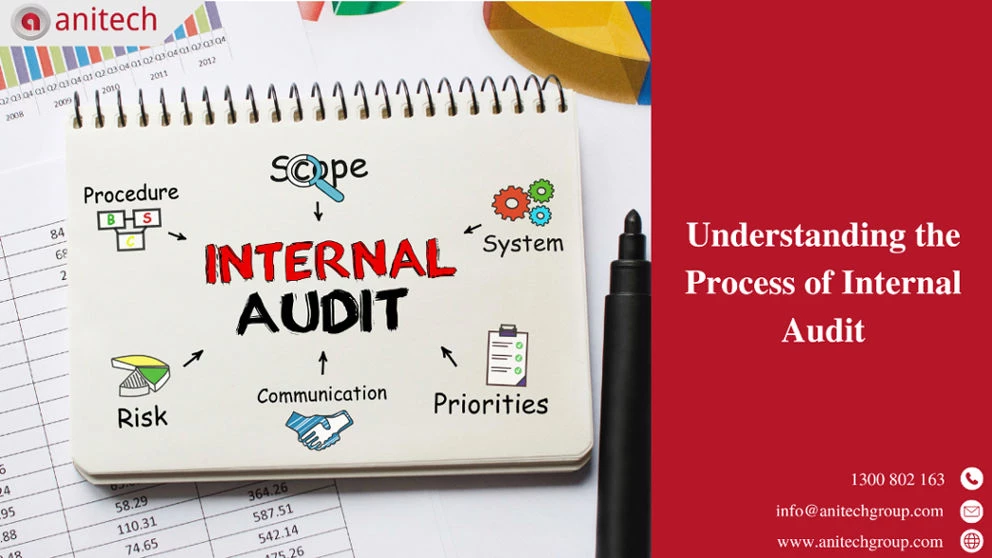
Quality Management System Evaluation Through Internal Auditing

An internal audit is a process of gathering evidence to determine the conformity of the Quality management system to the requirements of ISO 9001. Evidence gathered is applied to determine whether the audit criteria are fulfilled and the extent of fulfilment. Audits must be conducted objectively and independently in an impartial manner and in a...

Understanding the Process of Managing Systems after Certification

Once an organisation has achieved certification to one of the management system standards: ISO 9001 Quality Management System ISO 22001 Food Safety Management System ISO 45001 Occupational Health and Safety Management System ISO 14001 Environmental Management System ISO 27001 Information Security Management Systems The organisation embarks on a Journey to: Improve Customer Satisfaction – Quality...

How to Implement ISO 9001 Quality Management?  

Implementing ISO 9001 Quality Management is a strategic move that can elevate your Australian business to new heights of success. Adhering to internationally recognised standards can enhance customer satisfaction, improve operational efficiency, and establish a strong foundation for growth. In this blog, we will define ISO 9001 standard, ISO 9001 Quality Management System, and the...