1300802163
 

Blog

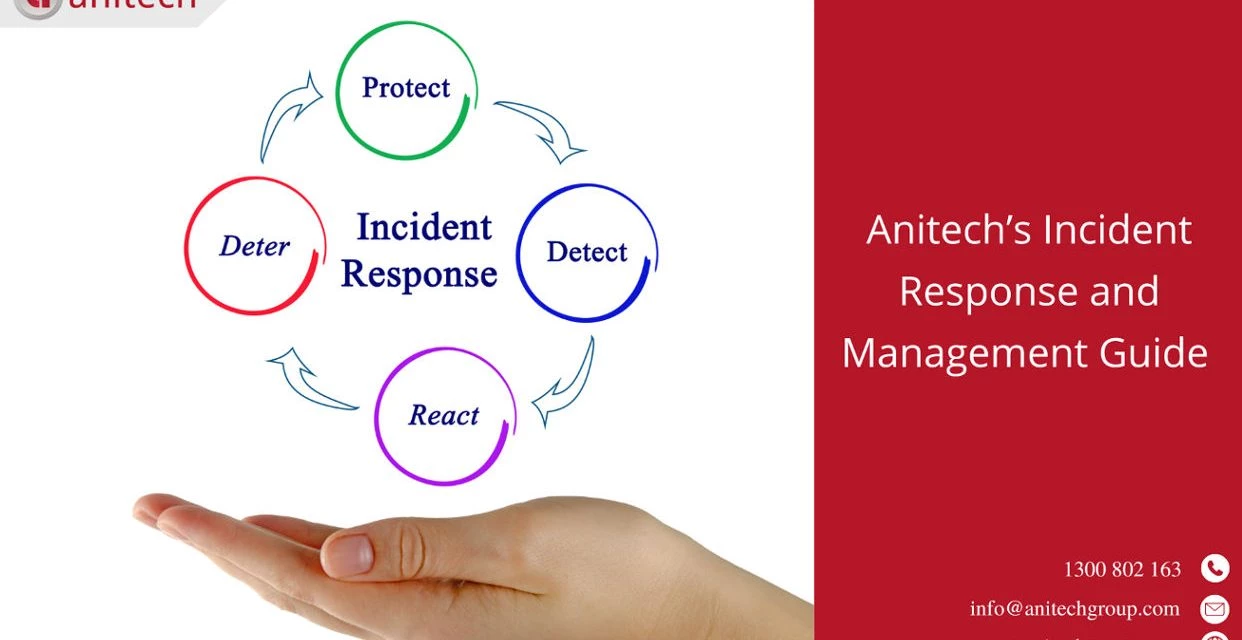
Anitech’s Incident Response and Management Guide 

Incident response management is a systematic technique for cybersecurity events and security breaches. Incident response aims to identify genuine security problems, control the situation, limit the damage inflicted by an attacker, and decrease recovery time and costs. Incident Response The attempt to swiftly identify an assault, mitigate its consequences, contain damage, and fix the source...

Future of Cybersecurity in Australia 

While there are continual technological innovations and digitisation of organisations in Australia and the world increases rapidly, the landscape of cybersecurity threats is also increasing. Thus, the future of cybersecurity in Australia will be shaped by various of key trends and challenges. Key Trends in Cybersecurity Here are some potential developments that may impact the...

Anitech’s Guide on Information Security Policies for Australian Organisations

The government of Australia has various information security policies organisations can adhere to protect their data or sensitive information. Australia has a well-developed and mature information security policy framework, which is driven by a number of legislative, regulatory, and industry-specific requirements. Information Security Rules To prevent information compromise, information security rules explain how institutions categorise...

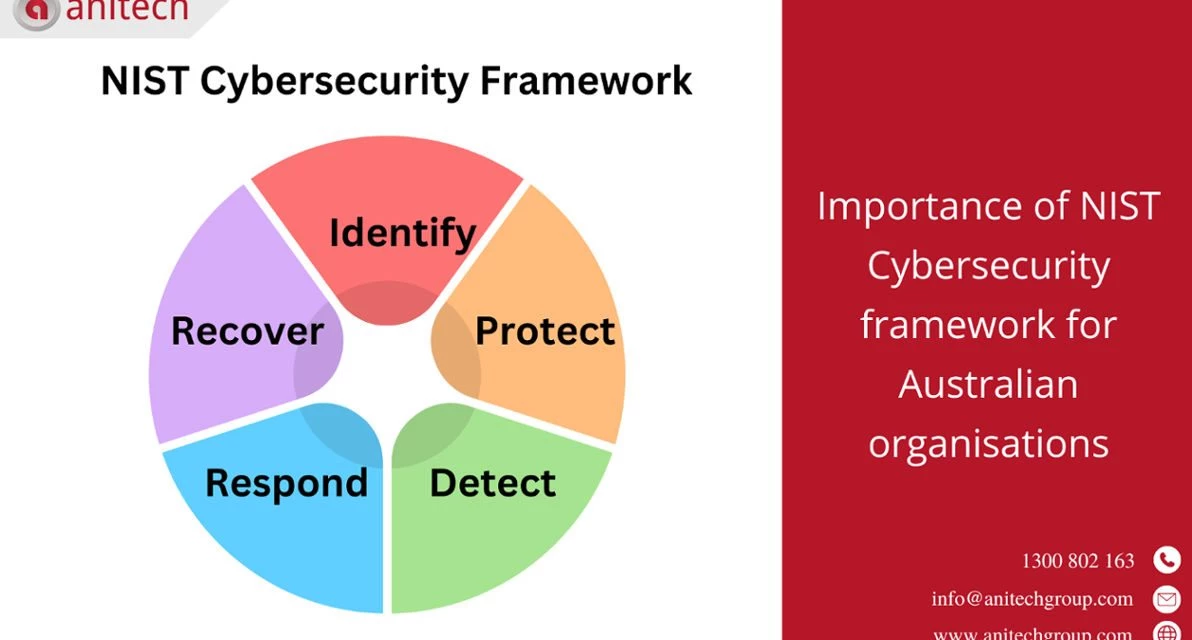
Importance of NIST Cybersecurity Framework for Australian Organisations

The National Institute of Standards and Technology (NIST) Cybersecurity Framework is a guide on best practices for managing and protecting critical infrastructure and sensitive information. The NIST cybersecurity framework provides organisations with a comprehensive, flexible, and cost-effective approach to managing and reducing cybersecurity risk by organising the protection of critical assets into five functions: Identity,...

AI and OHS: Can Artificial Intelligence Transform the Occupational Health and Safety Industry?

Artificial intelligence (AI) technology has the potential to transform the field of occupational health and safety (OHS) by improving safety outcomes and reducing workplace accidents and injuries. In many organisations, technologies are being implemented using Artificial intelligence. Here are the most current technologies. 1. AI and its Effect on Workplace Safety AI is a synthesis...

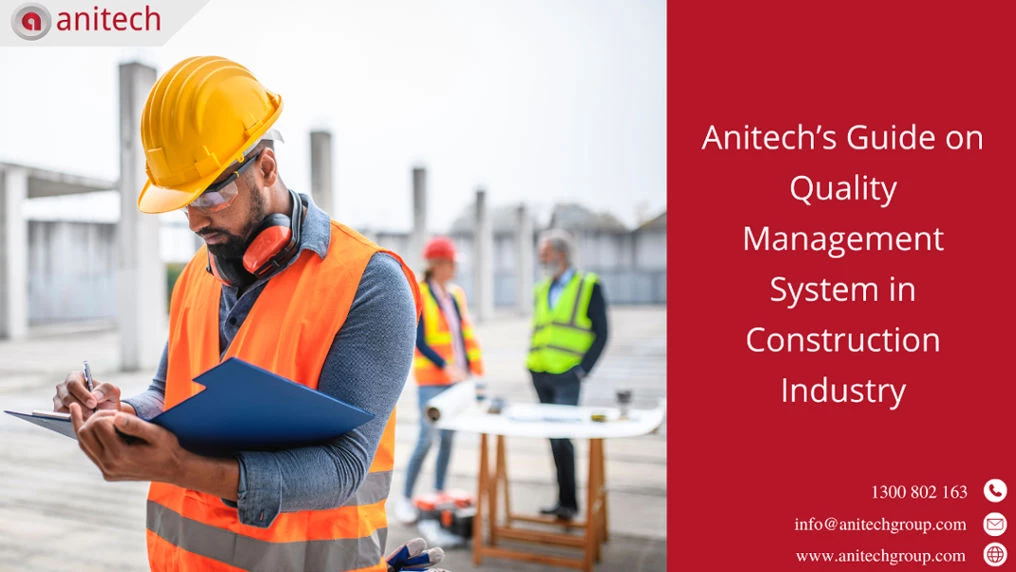
Anitech’s Guide on Quality Management System in Construction Industry

Implementation of a robust quality management system in the Australian construction industry is responsible for the sector generating a revenue of over 360 billion dollars (9% of the country’s GDP) and an anticipated increase at a 2.4% yearly pace. Quality Management in Construction Industry Quality Management System in Construction Industry is a systematic approach to...

Why is Cyber Security Training Important for Employees in Australia?

Cyber security training is important for employees of an organisation in Australia as they are the soft targets of cybercriminals and a gateway to intrude company servers. As the number of cyberattacks and data breaches surmount in Australia, it’s high time businesses train these weakest links, which are unknowingly making Companies vulnerable from within. It...

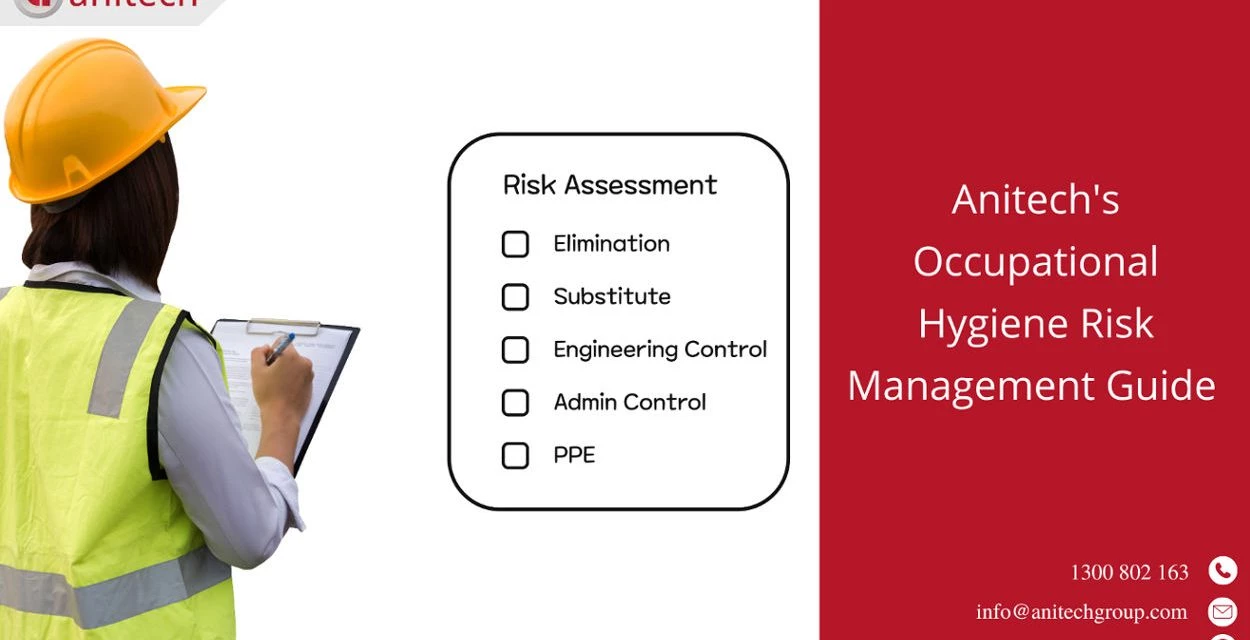
Anitech’s Occupational Hygiene Risk Management Guide

Occupational hygiene risk management is the process of identifying, assessing, and controlling workplace hazards that can affect the health and safety of workers. This can include physical, chemical, biological, and ergonomic hazards. The goal of occupational hygiene risk management is to prevent or minimize exposure to these hazards to protect workers from illness or injury....