
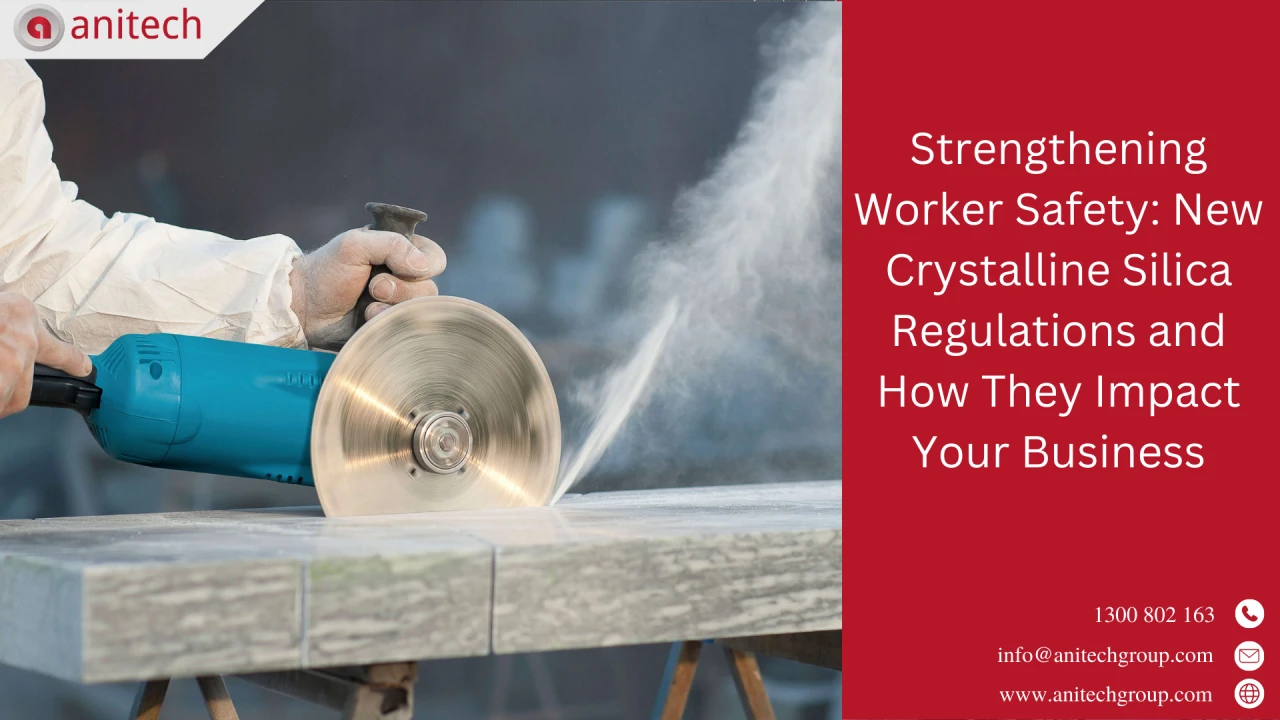
Are you aware that exposure to crystalline silica dust has been linked to serious, life-threatening diseases like silicosis and lung cancer?
With nearly 230 workers diagnosed with silicosis in Australia since 2019, it’s clear that stronger regulations are needed to safeguard worker health.
That’s why, from 1 September 2024, the workplace safety landscape is undergoing a significant transformation. Safe Work Australia’s amendments to the model Work Health and Safety (WHS) regulations aim to protect workers across industries like construction and manufacturing, where crystalline silica dust is a persistent hazard.
These enhanced regulations will hold businesses accountable for assessing and controlling the risks associated with silica exposure, helping to create safer environments for all.
Below, we break down the key changes, the responsibilities for businesses, and how you can ensure compliance.
What is Crystalline Silica?
Crystalline silica is a naturally occurring mineral found in materials like sand, stone, concrete, and brick. When these materials are processed, fine dust particles are released. This dust, known as respirable crystalline silica (RCS), poses serious health risks if inhaled, leading to diseases like silicosis, lung cancer, and chronic obstructive pulmonary disease (COPD).
Key Regulatory Amendments from 1 September 2024
From September 2024, businesses involved in the handling or processing of materials containing at least 1% crystalline silica must adhere to stricter safety regulations. These include:
- Controlled Processing of All Crystalline Silica Substances
Businesses must implement engineering controls, such as ventilation systems, water suppression, or dust collection methods, to reduce silica dust exposure during any processing activities. - Risk Assessment for Work Involving Crystalline Silica
PCBUs are now required to conduct thorough risk assessments before beginning any work that may involve crystalline silica dust. This includes identifying where and how silica is generated, assessing worker exposure, and determining the appropriate control measures.
Example: Compliance in Construction
Let’s take a construction company that regularly cuts stone slabs as an example. Under the new regulations, the company must:
- Assess the Risk – Evaluate the tools, techniques, and processes used in cutting, and identify the amount of crystalline silica dust generated.
- Implement Controls – Use water-fed tools or local exhaust ventilation systems to minimise dust release. Workers must also wear personal protective equipment (PPE) like respirators.
- Create a Silica Risk Control Plan – If high-risk processing is involved (e.g., engineered stone), the company needs a detailed plan outlining all safety measures, including ongoing air quality monitoring.
- Regular Monitoring and Adjustments – Conduct periodic reviews to ensure the controls in place are effective, adjusting as needed based on the level of silica dust detected.
What Should PCBUs Do to Prepare?
For businesses, these regulatory changes mean it’s crucial to be proactive. Here are steps to ensure compliance:
- Understand Your Materials: Identify whether your business processes materials containing at least 1% crystalline silica. Examples include engineered stone, concrete, tiles, and bricks.
- Perform Risk Assessments: For any activity that could generate silica dust, perform risk assessments to evaluate potential exposure levels and decide on control measures.
- Implement Engineering Controls: Wherever possible, reduce dust generation at the source. This may include using water suppression systems, vacuum dust collection, or enclosed processing areas.
- Create a Silica Risk Control Plan: For high-risk processes like engineered stone cutting, a detailed plan is required. This should include control measures, emergency procedures, and ongoing air quality monitoring.
- Employee Training and PPE: Educate your workers about the risks of silica dust and how to protect themselves. Ensure they are equipped with appropriate PPE, such as respirators, and know how to use engineering controls effectively.
Resources to Help You Comply
Safe Work Australia has developed resources to help businesses comply with the amended WHS regulations. Some key resources include:
- Working with Crystalline Silica Substances: Guidance for PCBUs
This document provides a comprehensive overview of the obligations PCBUs must follow, including how to assess risk and implement controls effectively. - Supporting Resources
Additional materials help explain specific concepts such as how to develop a silica risk control plan and practical steps for controlling silica dust in the workplace. - Be Silica Smart Website
For further resources, businesses can visit the Be Silica Smart website, which offers detailed guides and downloadable materials to simplify compliance.
Why These Changes Matter
The amendments to WHS regulations are not merely bureaucratic updates—they are lifesaving measures. Exposure to crystalline silica dust has been linked to a range of debilitating diseases, some of which are irreversible. By adopting these changes, businesses will play a key role in reducing silica-related health risks, ensuring safer workplaces for all.
Conclusion: Act Now to Ensure Compliance
With the new crystalline silica regulations taking effect from 1 September 2024, it’s critical for businesses to start preparing now.
Whether you operate in construction, manufacturing, or any other industry that processes materials containing silica, staying informed and prepared is essential.
For expert assistance in navigating these regulatory changes, Anitech offers comprehensive support to help your business comply with the new standards. For tailored compliance solutions and risk management strategies, contact Anitech today.


Recent Comments