1300802163
 
HomeCategory

Blog

Conducting Hearing Tests are Now Mandatory in NSW 

The New South Wales Government has granted approval for the implementation of Clause 58, focused on Audiometric Testing, within the Work Health and Safety (WHS) Regulation 2017, effective starting January 1, 2024. This decision follows a comprehensive period of public consultation held in 2022. Impact on Businesses  In cases where a business necessitates its employees...

How to Choose Audiometric Consultants?  

Workplace audiometric assessments involve audiometric screening of employees, and audiometric screeners play a key role. Audiometry screening is critical for safeguarding employees exposed to loud or high-frequency noises as part of their job. Audiometric Screening A hearing test assesses a person’s ability to hear sounds of varying pitch and loudness. Below are certain signs when...

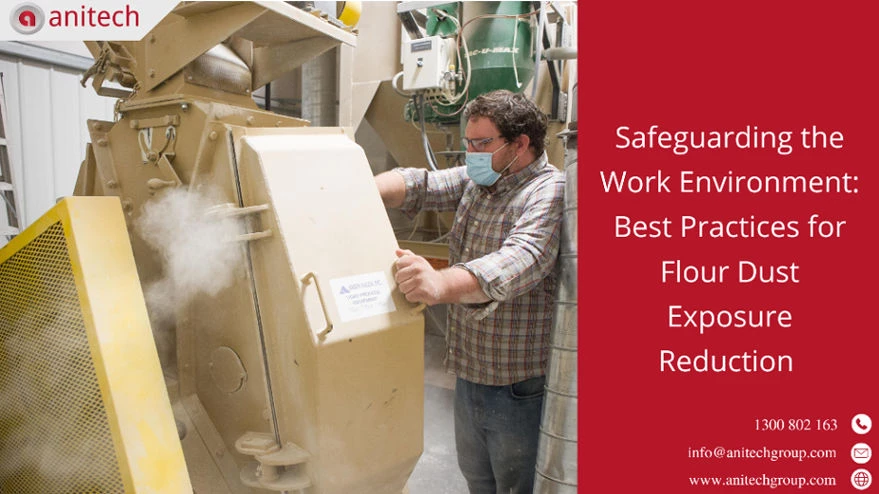
Safeguarding the Work Environment: Best Practices for Flour Dust Exposure Reduction 

Flour dust exposure poses significant health and safety risks in industries such as baking, milling, and food processing. The airborne particles generated during these processes can lead to respiratory issues, allergic reactions, and even explosive hazards. Protecting workers from the potential dangers of flour dust inhalation requires proactive measures and adherence to best practices in...

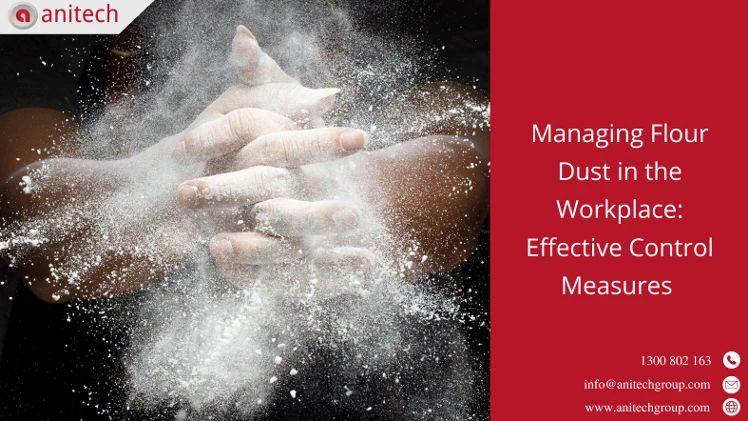
Managing Flour Dust in the Workplace: Effective Control Measures 

Flour dust (from grains such as oats, wheat, and barley) is a common occupational hazard faced by various industries, particularly bakeries, food processing facilities, and flour mills. Flour dust poses a significant threat to workers’ health, leading to respiratory issues such as asthma and can potentially be an explosive hazard. With increasing awareness of workplace...

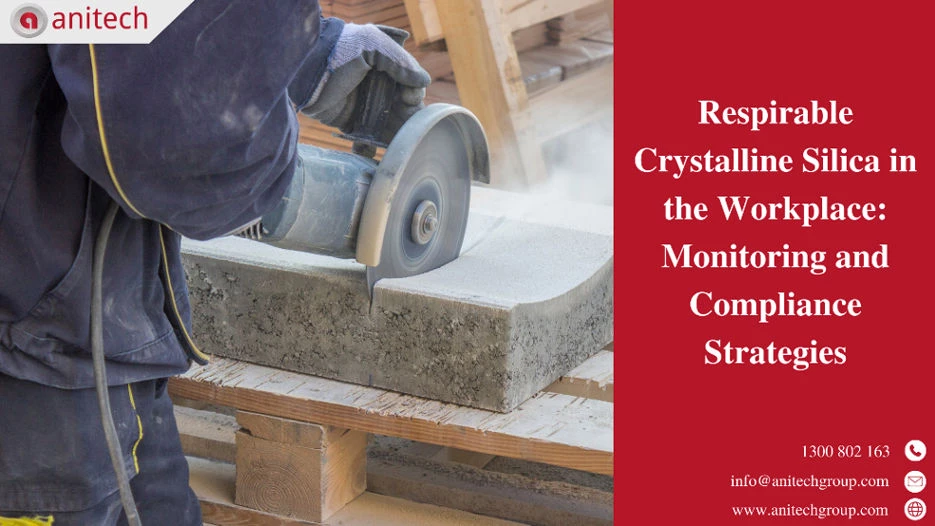
Respirable Crystalline Silica in the Workplace: Monitoring and Compliance Strategies

Silica is a common mineral found in many materials commonly used in construction, manufacturing, and other industries. But did you know that exposure to respirable crystalline silica in the workplace can be extremely hazardous to human health? In fact, it is known to cause lung cancer, silicosis, and other respiratory diseases. This is why Safe...

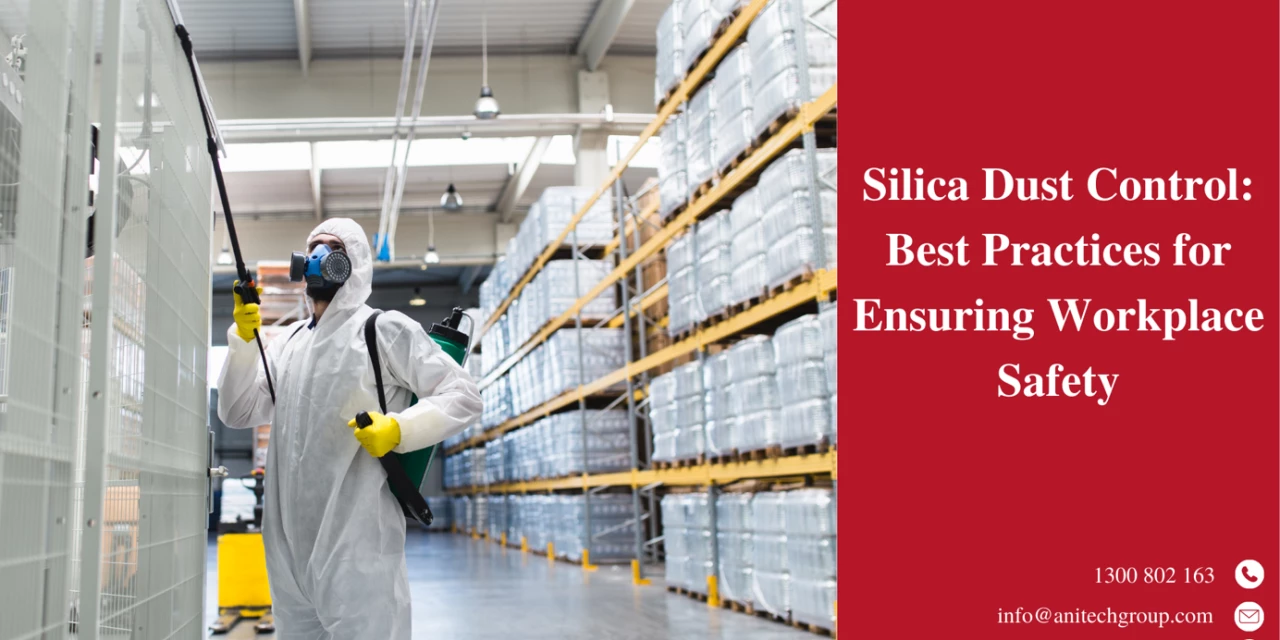
Effective Silica Dust Control Measures: Best Practices for Workplace Safety

Silica dust is a hazardous material that can cause serious health problems if not properly controlled in the workplace. Inhalation of this fine particulate matter can lead to serious respiratory conditions, including silicosis and lung cancer. To ensure workplace safety, it is crucial to implement effective silica dust control measures. In this blog, we will...

Understanding the Health Effects of Diesel Particulate Matter Exposure 

Known for being extremely tiny, diesel particulate matter (DPM) can penetrate deep into the lung and cause severe lung disorders, including cancer. Hence, limiting or eliminating workplace exposure to diesel particulate matter is crucial for organisations to safeguard workers’ health. Diesel particulate matter (DPM) is made up of soot particles, carbon, ash, polycyclic aromatic hydrocarbons...

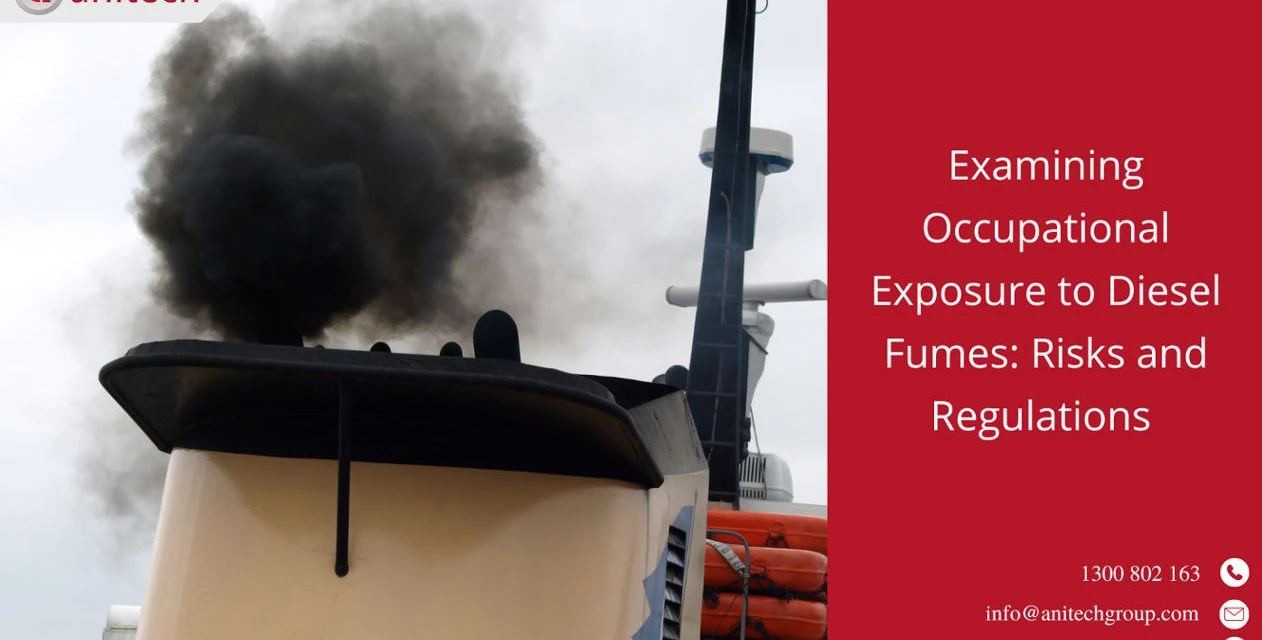
Examining Occupational Exposure to Diesel Fumes: Risks and Regulations

While studies claim that 1.2 million Australian employees were exposed to workplace diesel pollution in 2011, Engineers / specialists claim exposure to high levels of diesel fumes – the biggest occupational health threat since asbestos. Hence, understanding these health risks is crucial for implementing effective measures to protect the well-being of individuals exposed to diesel...

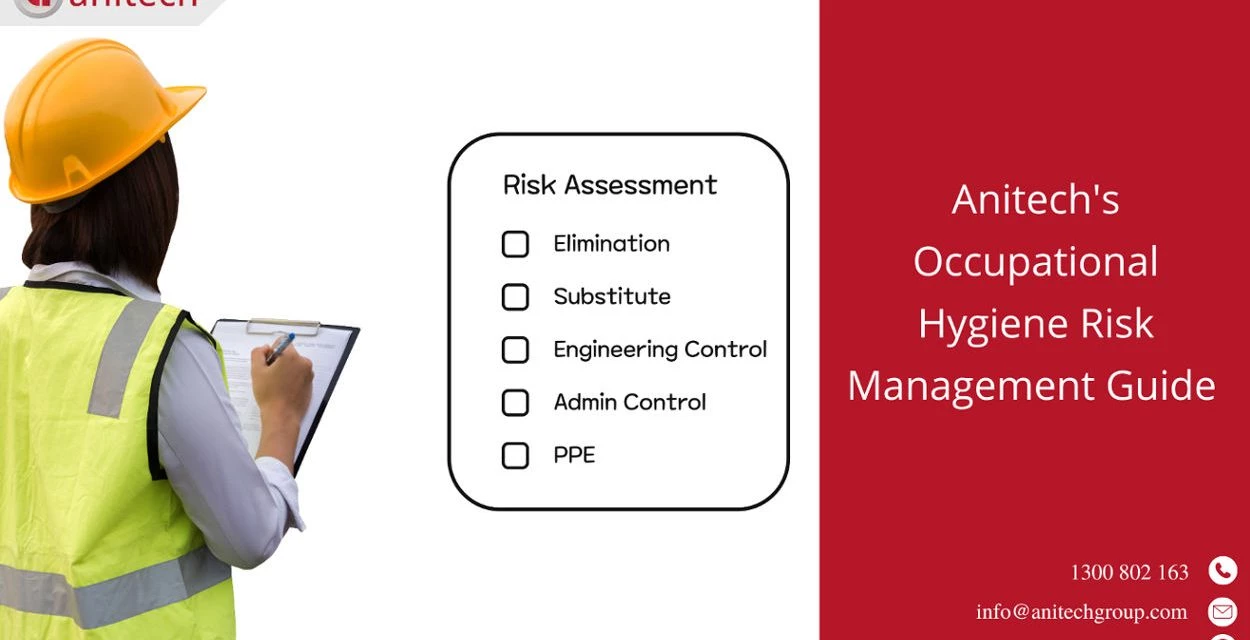
Anitech’s Occupational Hygiene Risk Management Guide

Occupational hygiene risk management is the process of identifying, assessing, and controlling workplace hazards that can affect the health and safety of workers. This can include physical, chemical, biological, and ergonomic hazards. The goal of occupational hygiene risk management is to prevent or minimize exposure to these hazards to protect workers from illness or injury....

Nanoparticles – A Guide to Occupational Exposure, Hazards, and Standards 

Nanoparticles have distinct features that make them valuable for a wide range of industries. But these tiny particulates also come with their share of health hazards and therefore have occupational hygienists at work to keep them in check. In this blog, we will define nanoparticles, their process of generation, health hazards, the assessment process, and...