1300802163
 
HomeCategory

Blog

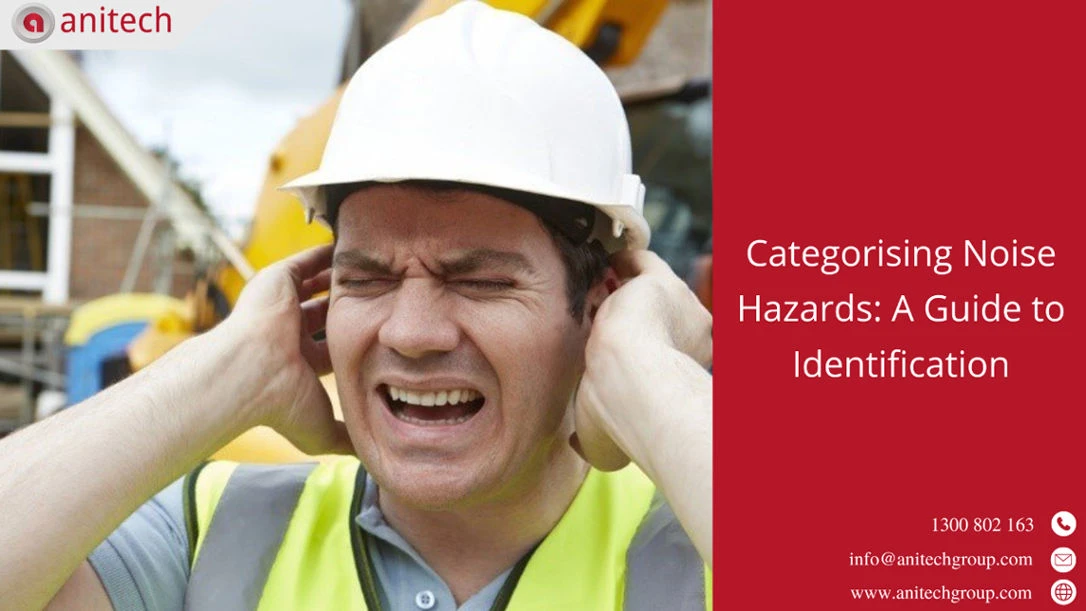
Categorising Noise Hazards: A Guide to Identification 

In the modern workplace, employee health and safety are paramount. Noise hazards are a significant concern in many Australian workplaces and can lead to hearing damage and other health problems if not managed properly. To safeguard employees, it is essential to categorise and manage noise hazards according to Australian regulations and guidelines and promote occupational...
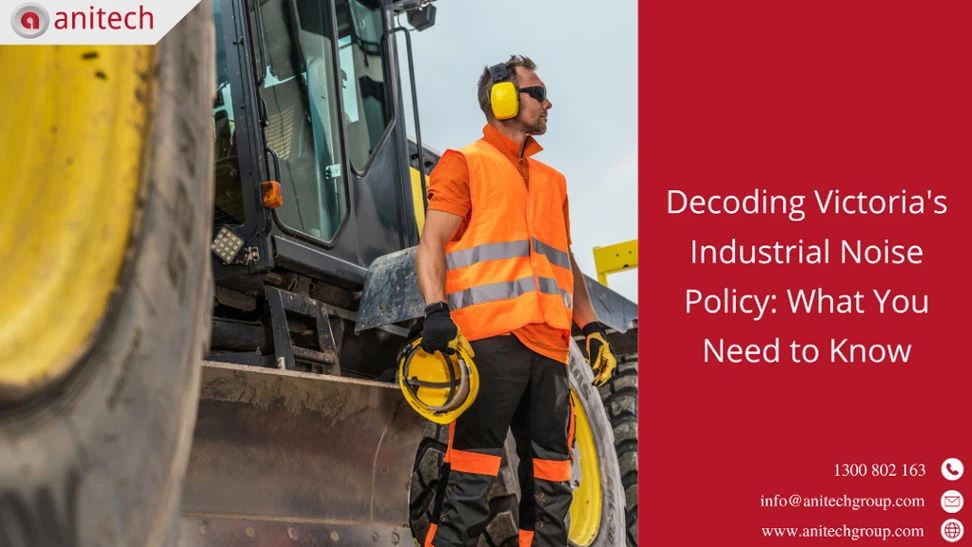
Decoding Victoria’s Industrial Noise Policy: What You Need to Know 

In Victoria, Australia, businesses are required to adhere to strict environmental policies, including noise pollution regulations, as part of their responsibility to mitigate harm to human health and the environment. In compliance with this duty, businesses are prohibited from generating unreasonable or aggravated noise. It is incumbent upon them to ensure that noise emissions stemming...

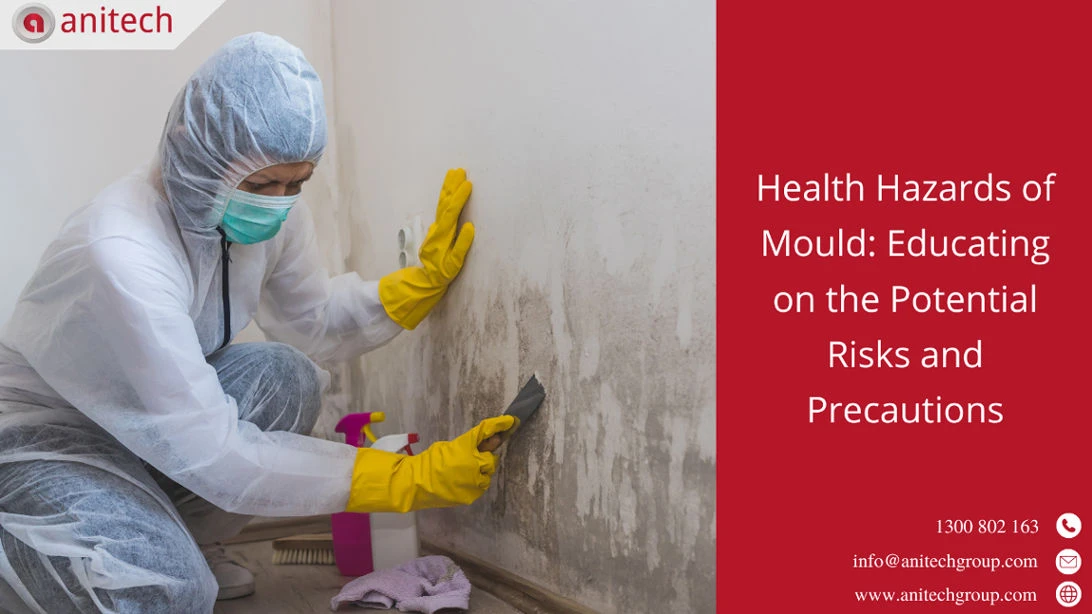
Health Hazards of Mould: Educating on the Potential Risks and Precautions 

In Australia, where humid climates and periodic flooding can create ideal conditions for mould proliferation, grasping the health risks associated with mould and taking essential precautions assumes paramount importance. Mould, often regarded as a routine workplace issue, frequently goes underestimated in terms of its impact on health. It transcends being a mere visual nuisance, carrying...

Wood Dust in the Workplace: Identification, Prevention, and Control 

Woodworking industries, construction sites, and other workplaces that involve wood processing are susceptible to the hazards of wood dust. While wood is a versatile and widely used material, the fine particles generated during cutting, sanding, and other woodworking activities can pose serious health risks to workers. Inhalation of wood dust can lead to respiratory issues, allergies,...

Significant Changes for Workplace Safety: Immediate Reduction in the Workplace Exposure Standard for Welding Fumes

In a significant move toward ensuring safer work environments, Work Health and Safety Ministers have recently sanctioned an immediate reduction in the workplace exposure standard (WES) for welding fumes (not otherwise classified). This reduction sees the 8-hour time-weighted average (TWA) drop from 5 mg/m³ to a more stringent 1 mg/m³. This pivotal change to the...

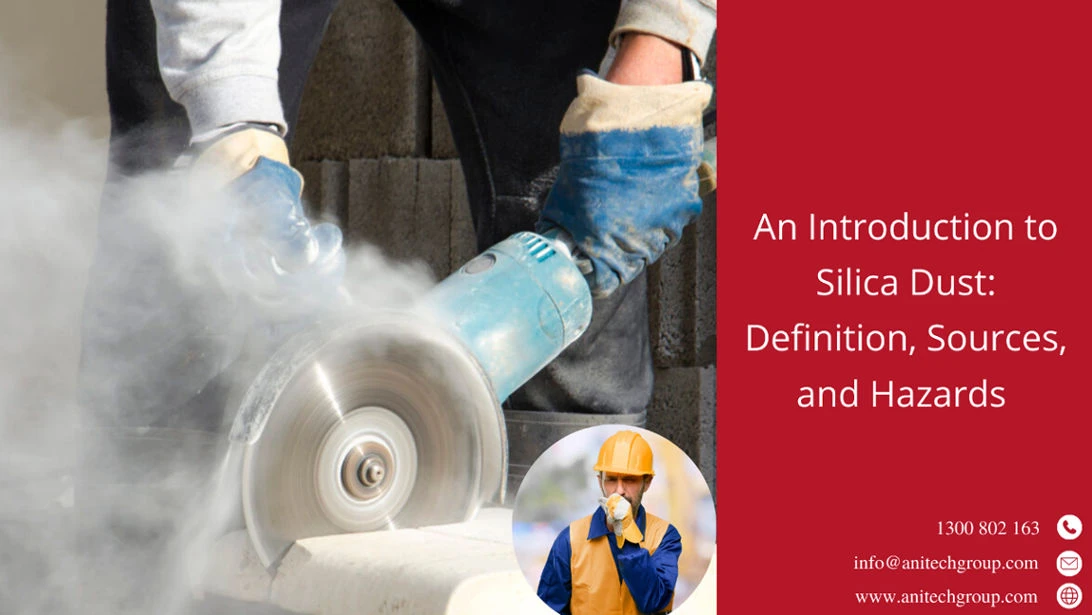
An Introduction to Silica Dust: Definition, Sources, and Hazards 

In the pursuit of maintaining safe and healthy workplaces, Australian businesses face a myriad of occupational hazards. Among them, one often overlooked danger is silica dust—an invisible threat that can have severe consequences for both workers and organisations. Silica dust, a microscopic airborne particle, poses a significant risk to workers across various industries. Hence, understanding...

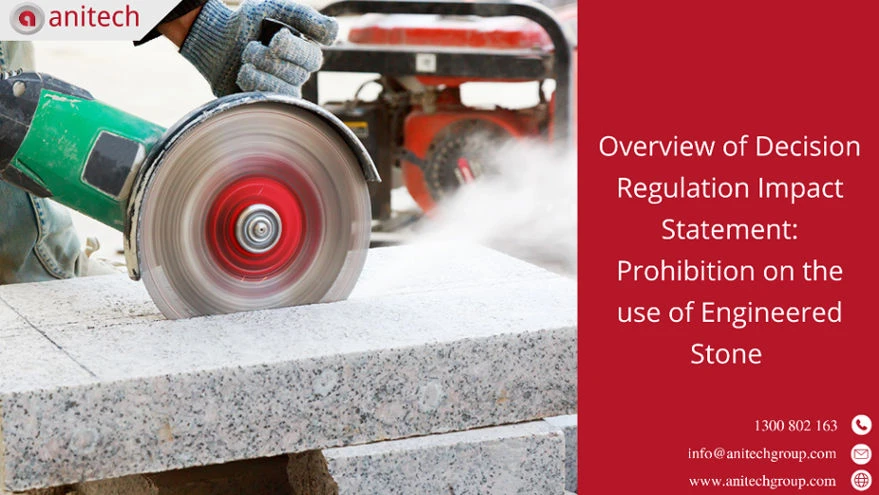
Overview of Decision Regulation Impact Statement: Prohibition on the use of Engineered Stone 

The Decision Regulation Impact Statement (RIS) focuses on the prohibition of the use of engineered stone. It provides an overview of the background, objectives, and purpose of government intervention in this matter. The DRIS considers three options and analyses their costs, benefits, and potential health outcomes. The report also includes consultation feedback and provides a...