1300802163
 

Blog

Wood Dust in the Workplace: Identification, Prevention, and Control 

Woodworking industries, construction sites, and other workplaces that involve wood processing are susceptible to the hazards of wood dust. While wood is a versatile and widely used material, the fine particles generated during cutting, sanding, and other woodworking activities can pose serious health risks to workers. Inhalation of wood dust can lead to respiratory issues, allergies,...


The Business Case for Gender Diversity in Compliance 

True workplace gender equality is attained when individuals have equitable access to rewards, resources, and opportunities, regardless of their gender. A compelling business case is instrumental for gender diversity in compliance. Why Gender Equality is Essential in the Australian Business Landscape? While Australia, like numerous countries globally, has made notable strides towards gender equality in...

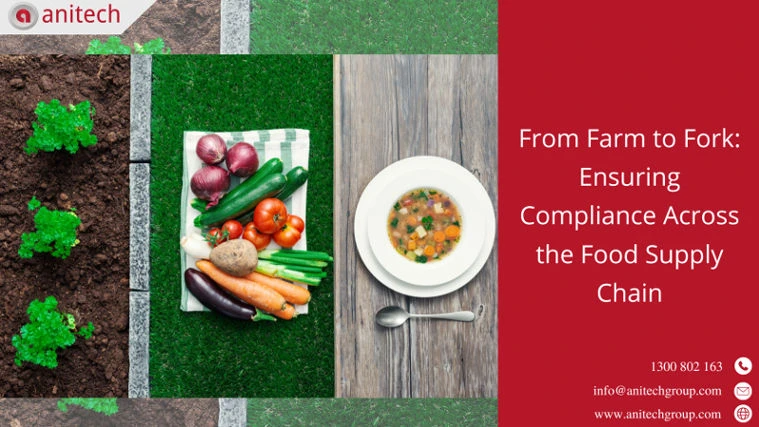
From Farm to Fork: Ensuring Compliance Across the Food Supply Chain 

The food processing industry is one of the largest industries in Australia. Hence, the food journey from farm to fork involves a complex network of growers, producers, distributors, retailers, and consumers. Hence, it is crucial to ensure the safety and compliance of food products throughout the food supply chain to protect public health and maintain...

Role of Root Cause Analysis in Maintaining the Health and Safety of Organisations 

Root Cause Analysis (RCA) serves as a methodical approach to investigating incidents, aiming to uncover underlying health system failures that might not be immediately apparent during an initial review. The primary objective of an RCA is to pinpoint systemic issues contributing to or causing the incident, offering recommendations for preventive measures, or minimising the likelihood...

The Future of Food Safety Training: Trends and Innovations  

Enhancing food safety has always been a key concern in the food industry and is undergoing a significant transformation owing to rapid technological advancements and evolving consumer demands. The future of food safety is being shaped by a range of factors, from technological innovations to changing consumer tastes. Embracing new technologies such as blockchain and...

Role of Cultural Alignment in Health, Safe and Environment Management 

Cultural alignment in Health, Safety, and Environment (HSE) refers to the integration and synchronisation of an organisation’s values, beliefs, attitudes, and behaviours with the principles and practices of health, safety, and environmental management. It involves fostering a shared commitment and understanding among employees regarding the importance of HSE practices in the workplace. Cultural alignment aims...

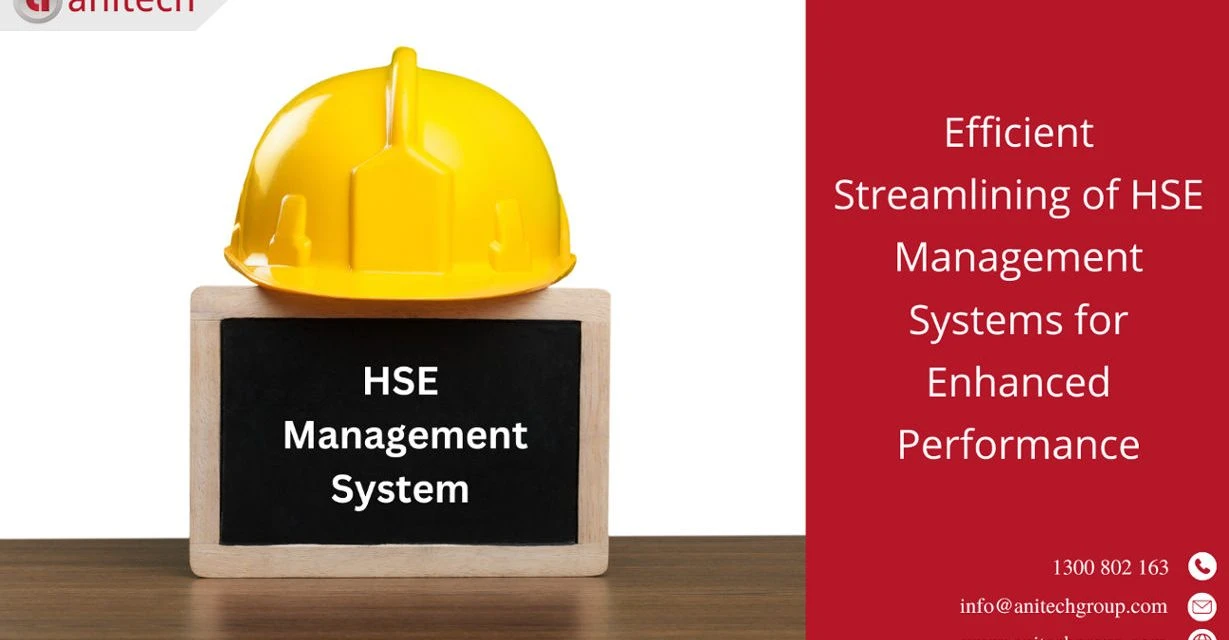
Efficient Streamlining of HSE Management Systems for Enhanced Performance 

In today’s dynamic business landscape, organisations are constantly seeking ways to enhance their operational efficiency and ensure the well-being of their workforce. One pivotal strategy gaining prominence is the streamlined approach to Health, Safety, and Environment (HSE) management systems. This blog will delve into the significance of streamlining HSE management systems and how it can...

Food Service Supervisor – A New Compulsory Requirement in Australia 

The landscape of food safety training is evolving rapidly, driven by technological advancements, changing regulations, and a growing emphasis on public health. As new legislation like Standard 3.2.2A comes into effect in Australia, the role of Food Safety Supervisors becomes increasingly crucial. In this blog, we’ll explore the future of food safety training, including a...