1300802163
 

Blog

The Importance of Diesel Particulate Monitoring: Ensuring Air Quality Standards 

Diesel Particulate Matter (DPM) Diesel exhaust is the product of burning diesel fuel in engines. It combines gases, vapours, liquid aerosols, and particulate matter from combustion released by an engine. Diesel particulate matter (DPM) comprises fine carbon particles, including hazardous chemicals known as polyaromatic hydrocarbons (PAHs). The PAHs attach themselves to the surface of the...

Understanding and Managing Biological Hazards in the Workplace 

Biohazards, usually referred to as biological hazards, are organic chemicals that endanger both human and other living things’ health. In general, pathogenic microorganisms, viruses, poisons (from biological sources), spores, fungi, and bioactive compounds are considered biological risks. Biological dangers can also be thought of as biological disease-transmitting agents. Outside of the realm of health, biological risks...

Supply Chain Compliance Across Food and Steps to Achieve it

In today’s diverse industries, maintaining supply chain compliance is crucial, but the approach can vary depending on the sector. For instance, food manufacturers prioritise safety protocols, while military equipment producers focus on security clearances. Despite the differences, every business dealing with physical goods must understand and adhere to regulations governing their products’ origins and journeys...

Tackling Environmental Noise: Practical Solutions for a Quieter World 

Environmental Noise Environmental noise, also known as community noise, is a term defined by the World Health Organisation (WHO) as sound originating from all sources except for noise generated within industrial workplaces (Berglund et al., 1999). History of Environmental Noise The concern surrounding acoustics and noise has persisted throughout human history. In the contemporary world,...

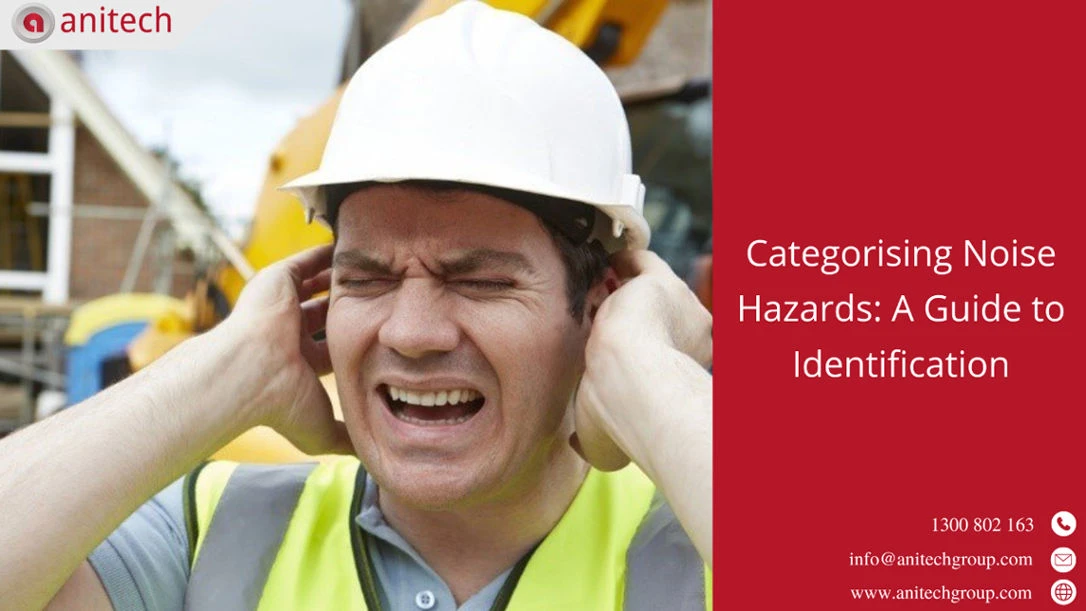
Categorising Noise Hazards: A Guide to Identification 

In the modern workplace, employee health and safety are paramount. Noise hazards are a significant concern in many Australian workplaces and can lead to hearing damage and other health problems if not managed properly. To safeguard employees, it is essential to categorise and manage noise hazards according to Australian regulations and guidelines and promote occupational...

Decoding Victoria’s Industrial Noise Policy: What You Need to Know 

In Victoria, Australia, businesses are required to adhere to strict environmental policies, including noise pollution regulations, as part of their responsibility to mitigate harm to human health and the environment. In compliance with this duty, businesses are prohibited from generating unreasonable or aggravated noise. It is incumbent upon them to ensure that noise emissions stemming...

Health Hazards of Mould: Educating on the Potential Risks and Precautions 

In Australia, where humid climates and periodic flooding can create ideal conditions for mould proliferation, grasping the health risks associated with mould and taking essential precautions assumes paramount importance. Mould, often regarded as a routine workplace issue, frequently goes underestimated in terms of its impact on health. It transcends being a mere visual nuisance, carrying...