
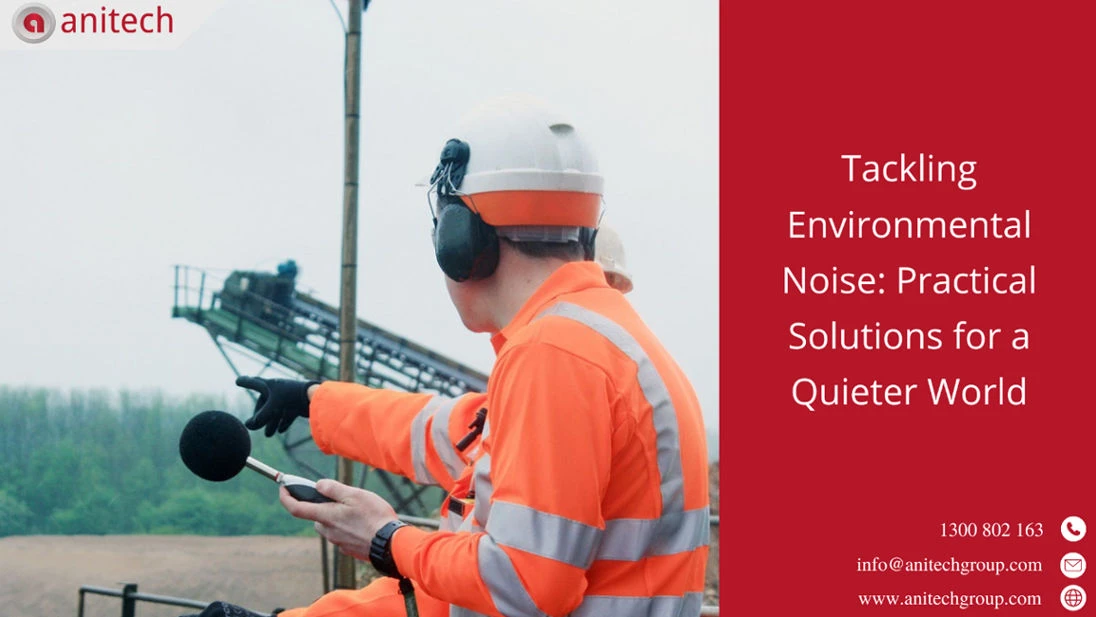
Environmental Noise
Environmental noise, also known as community noise, is a term defined by the World Health Organisation (WHO) as sound originating from all sources except for noise generated within industrial workplaces (Berglund et al., 1999).
History of Environmental Noise
The concern surrounding acoustics and noise has persisted throughout human history. In the contemporary world, noise-related disturbances continue to rank as the primary source of environmental grievances. This paper delves into a comprehensive analysis of environmental nuisance data spanning from medieval times to contemporary records. Through an examination of these historical data sources, we discern the enduring significance of noise-related complaints within the broader realm of environmental nuisances over the past seven centuries.
This study also investigates the potential reasons behind the current prominence of noise-related nuisances within developed societies. It contextualises this issue by considering historical and contemporary factors, examining environmental regulations and planning strategies aimed at mitigating nuisances, and evaluating the influence of emerging technologies and their potential to bring about future changes.
Environmental Noise Regulations
The National Environmental Protection Act permits noise-related measures, but only if they impact national markets negatively.
At the Federal level, noise control primarily covers aircraft and motor vehicles, with noise testing conducted before registration approval.
Local governments play a vital role in implementing many of the policies crafted by State governments, especially those related to noise regulations in residential areas.
Federal Noise Regulations
Federal noise regulations pertaining to motor vehicles revolve around the maximum noise emissions allowed for vehicle registration approval in Australia. These regulations are aligned with the international ‘drive-by’ test standard and generally adhere to global best practices. Updating Australian Design Rules to meet stricter criteria, typically established in Europe, is a conscientious process overseen by the relevant authorities.
The responsibility of controlling in-service vehicle noise falls on State governments. Compliance with noise standards for certifying new aircraft types aligns with international specifications. Environmental Protection Regulations for Airports encompass noise criteria specifically addressing airport activities, excluding aircraft during flight, landing, take off, or taxiing.
An Australian Standard, AS2021, offers guidelines for land use planning near airports, based on the Australian Noise Exposure Forecast (ANEF). While compliance with these guidelines is not mandatory, it enjoys strong support from Air Services Australia and the Federal Department of Transport and Regional Services (DOTARS). DOTARS assumes a managerial role in minimising noise impacts from major airport developments, exemplified by the Sydney Airport Noise Insulation Program following the construction of a new runway.
State Noise Regulations
Until the 1970s, efforts to control noise in Australia were limited. It was during this decade that most Australian States introduced comprehensive noise legislation, often titled as the ‘Noise Control Act.’ Subsequent policy developments across the country led to the creation of integrated environmental legislation, encompassing all environmental aspects. This approach offered a significant advantage by enabling quicker policy adjustments compared to changing an entire Act.
Changes in State perspectives on environmental noise control result from various factors, including experience with current policies, evolving community expectations, shifts in government, research dissemination, advancements in noise measurement technology, and international experiences. Policy revisions generally occur every 7 to 10 years but are not synchronised across States, resulting in differing approaches.
However, as long as States find justification for distinct criteria, companies and suppliers operating nationwide will be affected. This might entail the repetition of noise assessments and modifications to plants designed to meet one State’s requirements but needed in another. To address noise challenges near State boundaries, effective cooperation between State authorities is essential.Top of Form
Understanding the Effects of Noise Hazards on Employee Health
In a workplace, exposure to hazardous noise levels carries a spectrum of potential risks for workers, including:
1) Hearing Impairments:
This encompasses hearing loss and tinnitus, both of which can have long-lasting effects on auditory health.
2) Communication Challenges:
Noise can hinder effective communication, making it difficult for employees to engage in meaningful conversations.
3) Impaired Concentration:
Excessive noise disrupts thought processes and reduces the ability to concentrate on tasks, impacting overall productivity.
4) Sleep Disturbances:
Noisy work environments can lead to disturbed sleep patterns, resulting in fatigue and potential mood disturbances, including aggression.
5) Health Compromises:
Prolonged exposure to hazardous noise can reduce the immune response, increasing vulnerability to illnesses. It can also trigger acoustic shock, causing distressing auditory reactions.
Moreover, there are additional serious health consequences to consider:
-
Cardiovascular Risks:
Hazardous noise can elevate blood pressure, accelerate heart rates, and contribute to stress, potentially leading to irritability and headaches. Over time, it may heighten the risk of hypertension, strokes, and heart attacks.
-
Immune System Impact:
Reduced white blood cell counts and compromised immune responses are associated with chronic noise exposure.
-
Ototoxic Substances:
Certain industrial chemicals and medications have the potential to cause or exacerbate hearing loss, amplifying the detrimental effects of noise on auditory health.
-
Hand-Transmitted Vibrations:
It’s worth noting that hand-transmitted vibrations can further exacerbate the impact of noise on hearing.
Understanding these multifaceted risks underscores the critical importance of effective noise management strategies in the workplace to ensure the well-being and health of employees.
Best Practices to Tackle Environmental Noise:
Here are some key best practices to help organisations tackle environmental noise:
1) Understand Regulatory Requirements:
Start by familiarising yourself with the environmental noise regulations applicable to your industry and location. Different states in Australia may have specific noise regulations, so it’s essential to know which ones apply to your organisation.
2) Conduct Noise Assessments:
Regularly conduct noise assessments to identify potential sources of noise pollution within your organisation. This includes equipment, machinery, and operations that generate noise. Assessments should measure noise levels to ensure they comply with allowable limits.
3) Implement Noise Control Measures:
Once you identify sources of noise, implement noise control measures to reduce or mitigate noise emissions. This may include using noise barriers, acoustic enclosures, vibration isolators, or altering work processes to reduce noise generation.
4) Maintenance and Upkeep:
Regularly maintain and upkeep machinery and equipment to ensure they operate at their quietest. Proper maintenance can prevent noise levels from increasing over time.
5) Noise Monitoring and Reporting:
Set up noise monitoring systems to continuously measure and record noise levels. Establish procedures for reporting any noise exceedances promptly to relevant authorities as required by regulations.
6) Community Engagement:
Engage with the local community, especially if your organisation operates near residential areas. Open lines of communication can help address concerns and foster goodwill. Consider conducting periodic community noise surveys to assess the impact of your operations.
7) Employee Training:
Train employees on noise control procedures and the proper use of personal protective equipment (PPE) such as ear protection. Ensure that employees are aware of the importance of noise reduction and compliance with regulations.
8) Compliance Audits:
Regularly conduct compliance audits to ensure that your organisation is meeting noise regulations. This may involve hiring third-party experts to assess noise levels and compliance.
9) Documentation and Records:
Maintain detailed records of noise assessments, control measures, maintenance activities, and any noise-related incidents. Accurate records can demonstrate your organisation’s commitment to compliance.
10) Continuous Improvement:
Continuously seek opportunities to reduce noise emissions and improve noise management practices. Stay informed about advancements in noise reduction technologies and best practices.
11) Environmental Impact Assessments:
If your organisation is planning new projects or expansions, conduct comprehensive environmental impact assessments (EIAs) that include noise assessments. Ensure that proposed projects comply with noise regulations and consider potential impacts on nearby communities.
12) Regulatory Reporting:
Submit required reports and documentation to relevant authorities as mandated by environmental noise regulations. Be proactive in addressing any regulatory inquiries or requests for information.
By following these best practices, organisations can effectively tackle environmental noise, maintain regulatory compliance, reduce their impact on the community, and contribute to a quieter and more sustainable environment.
For expert customised solutions, call our Occupational Hygienists today at 1300 802 163 or e-mail – sales@anitechgroup.com.
Stay tuned to our website for more information.


Recent Comments