
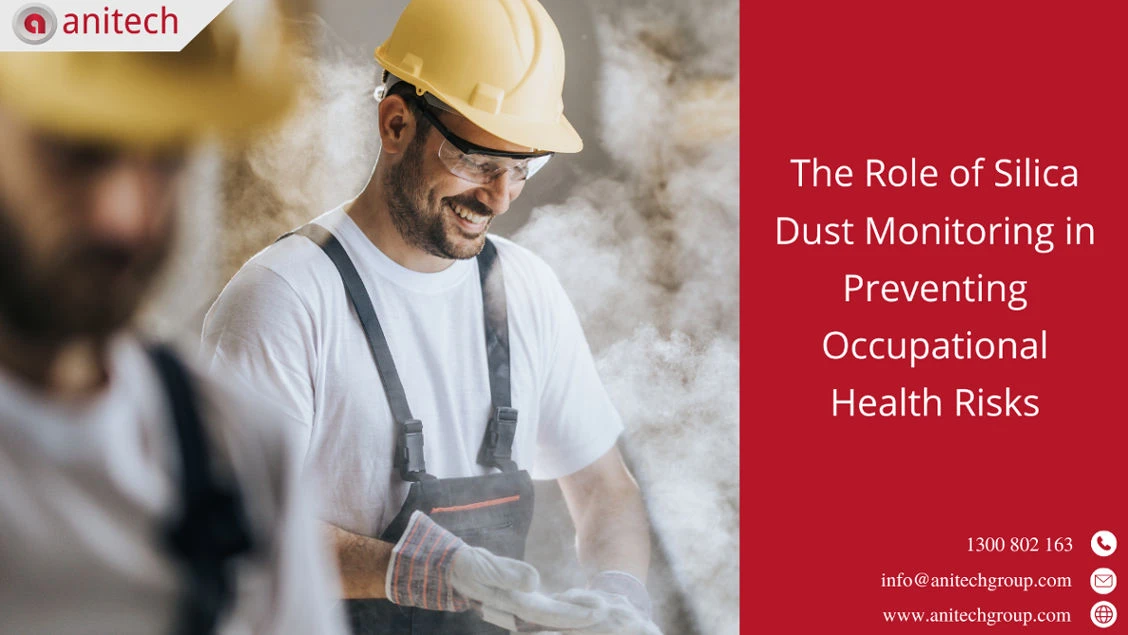
Occupational health hazards pose significant risks to workers in various industries, and one such hazard that demands attention is silica dust. To safeguard workers’ health and ensure compliance with safety regulations, silica dust monitoring plays a vital role.
By systematically assessing and quantifying the levels of silica dust present in work environments, employers and regulatory authorities gain essential insights to implement effective control measures.
This blog explores the significance of silica dust monitoring in preventing occupational health risks, highlighting its key benefits and the steps involved in the process.
Understanding the Hazards of Silica Dust:
Silica dust is generated when materials containing crystalline silica, such as concrete, stone, sand, or rock, are processed or disturbed. Inhalation of respirable silica dust can lead to various respiratory diseases, including silicosis, lung cancer, and chronic obstructive pulmonary disease (COPD). The severity of these health risks emphasises the need for effective monitoring strategies in the workplace.
Role of Silica Dust Monitoring
Silica dust monitoring plays a crucial role in preventing occupational health risks associated with exposure to silica particles. Businesses are advised to perform regular silica dust monitoring as per workplace standards and guidelines.
The fundamental step before performing silica dust monitoring is to create a silica dust prevention plan. Businesses can take assistance from experienced occupational hygienists like the ones from Anitech.
Identifying Source of Silica Dust Exposure
Employers are required to assess their workplace for potential sources of silica dust, such as cutting, grinding, or drilling of materials containing crystalline silica. This helps to recognise and control potential exposure risks.
Silica Dust Monitoring Techniques:
The following silica dust monitoring methods should be used by organisations to analyse silica dust proportion in the air. Taking the help of an expert occupational hygienist is advised.
1) Air Monitoring
Air monitoring: Regular air monitoring is essential to detect the presence of respirable crystalline silica in the workplace accurately and to evaluate the effectiveness of implemented control measures. Monitoring frequency and methods should follow official guidelines.
Personal Air Monitoring
Personal air monitoring for silica dust in Australia refers to the process of measuring and assessing the concentration of silica dust particles present in the breathing zone of individuals working in various industries or occupations.
The purpose of personal air monitoring is to evaluate workers’ exposure to silica dust and ensure compliance with occupational health and safety regulations. It involves the use of specialised monitoring equipment, such as personal sampling pumps and filters, which are worn by workers during their shifts to collect air samples. These samples are later analysed in laboratories to determine the concentration of silica dust particles.
2) Health Monitoring of Workers Exposed to Crystalline Silica
According to the model WHS Regulations, PCBUs must offer health monitoring for employees if they regularly use, handle, produce, or store crystalline silica and there is a considerable risk to their health from exposure.
The following are the minimal health monitoring standards for crystalline silica:
- compiling personal exposure data, demo high-risk medical, and employment histories.
- standardising the respiratory questionnaire.
- standardised respiratory function tests like FEV1, FVC and FEV1/FVC.
- chest X-ray full PA view (for baseline and high-risk employees only).
The Occupational Health and Safety Amendment (Crystalline Silica) Regulations 2021, among other things, create a framework for the licensing of employees and independent contractors who deal with crystalline silica dust in Victoria.
Risk Mitigation:
Monitoring allows employers to evaluate the effectiveness of control measures already in place to reduce silica dust exposure. If monitoring indicates that the exposure levels are still high, additional measures can be implemented to further minimise the risk, such as providing personal protective equipment (PPE) like respirators.
Compliance with Regulations:
Many countries have established occupational exposure limits (OELs) for silica dust to protect workers’ health. Silica dust monitoring ensures compliance with these regulatory limits and helps organisations maintain a safe working environment.
Silica Dust Monitoring Equipment Selection
Select appropriate monitoring equipment, such as personal sampling pumps, filters, and sampling cassettes, capable of capturing and measuring airborne silica dust particles. Ensure that the equipment is calibrated and properly maintained.
Air Sampling
Conduct personal air monitoring by attaching the sampling equipment to workers’ clothing in the breathing zone. The sampling pumps draw air through the filters to collect airborne particles, including silica dust. The sampling duration is typically based on regulatory requirements or industry guidelines.
Record Keeping:
Employers should maintain accurate records on risk assessments, air monitoring results, training sessions, and health surveillance data to demonstrate compliance with regulations and inform ongoing risk management efforts.
Educating and Training Workers
Employers are responsible for educating workers about the risks associated with silica dust exposure and ensuring they understand proper safety protocols to protect themselves from potential hazards.
Health Surveillance Program:
As per Safe Work Australia guidelines, employers should provide health surveillance for workers who are at risk of exposure to crystalline silica particles. Health screening includes regular lung function tests and chest X-rays, helping mitigate long-term health issues such as silicosis.
Choosing and Implementing Control Measures for Silica Dust
The control measures that are the most effective for your workplace will depend on your industry, work processes and the risk of exposure.
You will most likely need to use a range of control measures to protect your workers from exposure to silica dust. You will also likely need air monitoring and health monitoring programs to confirm your Company’s control measures are working and your workers are protected.
Regulations and Standards in Australia:
Australia has stringent regulations and standards in place to protect workers from silica dust exposure. Safe Work Australia, the national statutory body, has developed guidelines and standards that outline permissible exposure limits (PELs) for crystalline silica.
The current PEL for respirable crystalline silica is set at 0.05 milligrams per cubic meter of air (mg/m³) averaged over an eight-hour work shift.
Silica Dust Code of Practice for the Construction Industry
On May 1, 2023, Queensland implemented Australia’s first silica dust code of practice for the building sector. It applies to all construction projects as well as the production of building materials including concrete, mortar, bricks, blocks, and tiles.
The regulation offers helpful advice on shielding employees from crystalline silica exposure. This may be accomplished by employing tried-and-true silica dust management techniques, such as water suppression and on-tool dust extraction, to stop silica dust from being created or discharged into the atmosphere.
The code also enlists the use of the following:
- Appropriate protective equipment
- Air monitoring to check dust control is effective.
- Health monitoring
- Consultation, supervision, education, training, and instructions.
Benefits of Silica Dust Monitoring:
Implementing robust silica dust monitoring programs in Australia yields several benefits:
1) Early Detection:
Monitoring enables early detection of high silica dust levels, allowing for prompt intervention and prevention of health risks.
2) Compliance with Regulations:
Monitoring helps organisations comply with regulatory standards, avoiding penalties and legal consequences.
3) Risk Mitigation:
Monitoring provides data to assess the effectiveness of control measures and identify areas requiring improvement, leading to better risk management.
4) Worker Protection:
Silica dust monitoring ensures the health and well-being of workers by minimising exposure and creating safer work environments.
5) Data-driven Decision Making:
Monitoring data helps organisations make informed decisions regarding control measures, resource allocation, and training requirements.
Anitech’s experienced Occupational Hygienists can help you with silica dust monitoring and control techniques as per the regulation. Call us now at 1300 802 163 or email us at sales@anitechgroup.com


Recent Comments